In this article
Mineral oil and petrolatum (petroleum jelly) are highly refined petroleum derivatives used as occlusive moisturisers: they sit on the skin and block water loss better than almost anything else in cosmetics. Unusually for this guide, the mainstream dermatology view is favourable — cosmetic-grade material is purified, non-comedogenic in most assessments, and a staple of eczema care. People avoid them for feel, for philosophy (petroleum origin), and for hair/scalp build-up concerns. This is the flagged list's most genuinely two-sided ingredient.
What mineral oil and petrolatum are and what they do
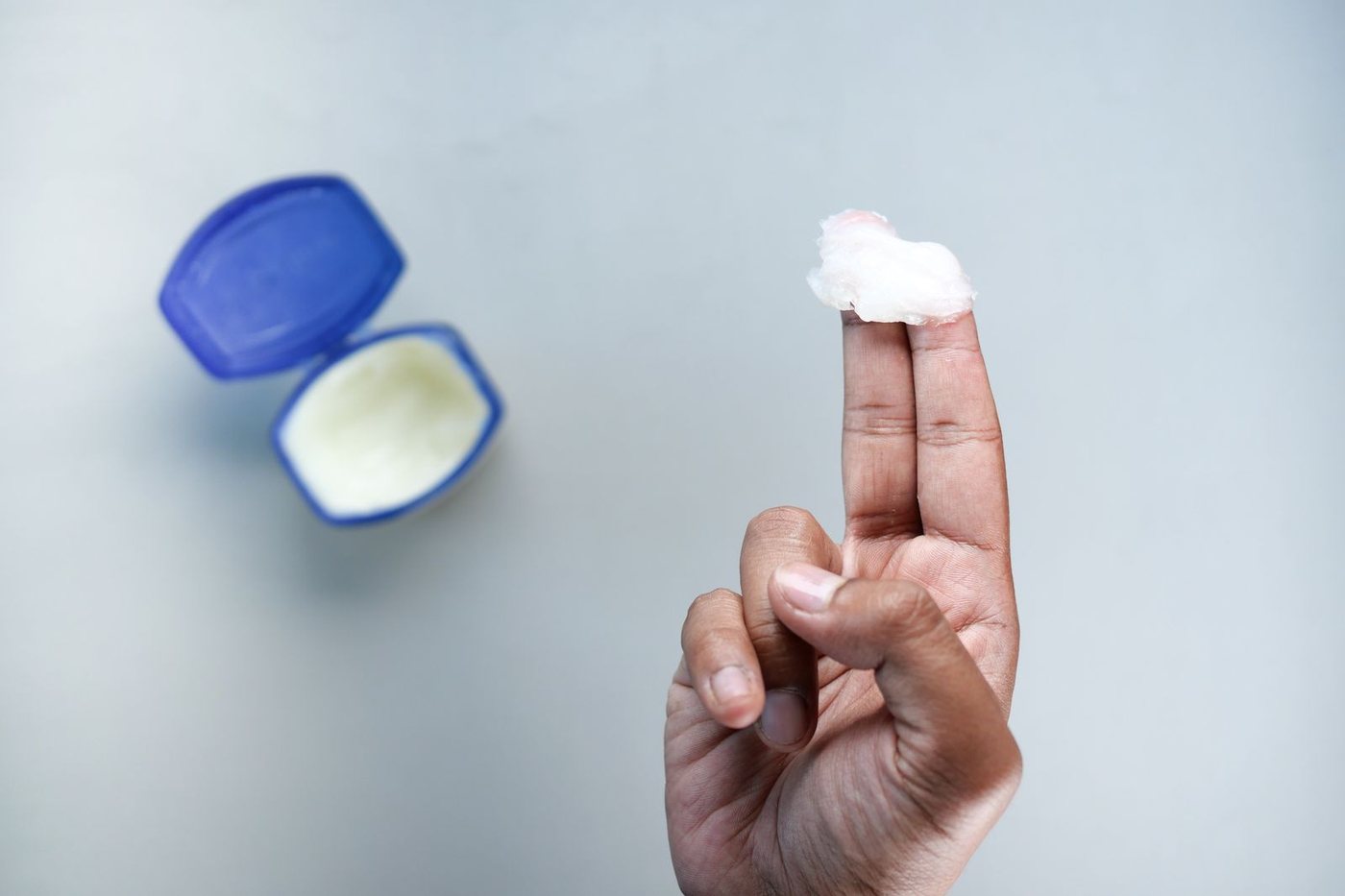
Both come from crude oil refining, followed by extensive purification to cosmetic or pharmaceutical grade — a point that matters, because unrefined industrial oils are a different substance with a different risk profile. In a formula they are occlusives: they form a water-resistant film that reduces transepidermal water loss. Petrolatum is the strongest occlusive in common use, which is why it appears in hospital wound care, nappy creams and the "slugging" routines of social media alike. Mineral oil is its lighter liquid cousin, found in cleansing oils, bath oils, body lotions and baby oil (which is mineral oil plus fragrance).
Where you will find them
- Petroleum jelly and heavy ointments (pure petrolatum)
- Creams and lotions (listed as mineral oil, paraffinum liquidum, or petrolatum)
- Lip balms, makeup removers, cleansing oils and cold creams
- Baby oil and some hair oils and scalp products
Why people avoid mineral oil and petrolatum
The reasons split into three kinds. Experience: the film can feel greasy, heavy or "suffocating" (our harvested reader notes use exactly that word), and on the scalp mineral oil can weigh hair down and resist washing out — a build-up complaint shared with silicones. Skin beliefs: a persistent popular claim holds that they clog pores and cause acne; dermatology assessments generally rate cosmetic-grade mineral oil and petrolatum as low in comedogenicity, and both are recommended in eczema management — but individual breakouts happen with any heavy occlusive, and oily-skinned users often genuinely prefer lighter textures. Values: they are fossil-derived, and shoppers minimising petroleum in any form will skip them on principle, whatever the safety data says. All three reasons are coherent; only the second is often overstated.
What regulators and the evidence say
Cosmetic-grade mineral oil and petrolatum are permitted in the US, EU and Australia, with the EU imposing strict refining-history and purity requirements (the oil must be proven fully refined, which removes the polycyclic aromatic compounds that make unrefined oils hazardous). Food- and pharma-grade versions are used in lip products, laxatives and ointments — a regulatory familiarity few cosmetic ingredients match.
One refinement debate does exist in food science, around mineral oil hydrocarbons (MOSH/MOAH) migrating from packaging into food — this concerns food contact materials, not your moisturiser, and we mention it only because the headlines often blur the two. On skin, the consensus position is that these are among the most inert, best-tolerated moisturising ingredients known, and the burden of the argument sits with texture and values, not toxicity.
How to spot them on a label
- Petrolatum, Petroleum Jelly, White Petroleum
- Mineral Oil, Paraffinum Liquidum (the INCI name you will see most), Paraffin, Microcrystalline Wax / Cera Microcristallina (related waxes)
- "Baby oil" is mineral oil with fragrance — check for both if fragrance is also on your list
What to use instead
If you are skipping mineral oil for feel or philosophy, the plant-derived occlusive shelf is deep: squalane (the closest in behaviour — light, stable, skin-identical), shea and cocoa butters, plant oils (jojoba, sunflower, argan) and wax-based balms. Our ingredients to look for guide profiles squalane among the benefit ingredients in its master list. The honest trade-off: plant oils oxidise (mineral oil essentially cannot go rancid) and none matches petrolatum's water-blocking power gram for gram, so very dry or eczema-prone skin switching away from petrolatum usually layers a humectant (hyaluronic acid or glycerin) underneath an oil or butter to compensate.
The scalp and hair chapter
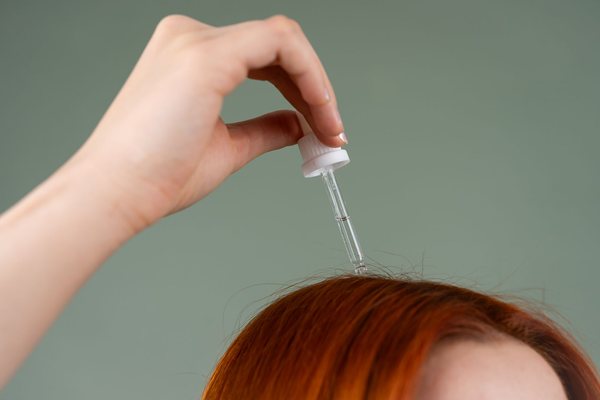
Mineral oil's other theatre is hair: traditional hair oils, scalp treatments and "baby oil on lengths" routines. Here the build-up complaint has more substance than on skin. Mineral oil is not absorbed by hair; it coats it, resists water-only rinsing, and can accumulate into dullness unless a surfactant wash resets it — the same physics as non-soluble silicones, and the reason the two are so often discussed together. Plant oils behave differently (some penetrate the hair shaft; coconut oil is the studied example), which is why hair-focused switchers often notice a bigger difference than skin-focused ones. If mineral oil is your scalp staple and your hair feels coated, the experiment is a clarifying wash and a fortnight on a penetrating oil — not a verdict delivered by the internet.
Frequently asked questions
Is mineral oil on skin safe?
Cosmetic and pharmaceutical grades are highly refined and permitted by regulators worldwide, with strict purity rules in the EU. Dermatologists routinely recommend petrolatum for eczema and wound care. The safety debate mostly belongs to unrefined industrial oils, which are not what goes into cosmetics.
Does mineral oil clog pores?
Popular belief says yes; dermatology assessments generally rate cosmetic-grade mineral oil and petrolatum as non-comedogenic or low-risk. Any heavy product can coincide with breakouts in acne-prone individuals, but the ingredient itself is not considered a pore-clogging villain by specialists.
Why is baby oil just mineral oil?
Because mineral oil is cheap, stable, hypoallergenic relative to most plant oils, and effective as a skin lubricant — baby oil is mineral oil plus fragrance. Parents avoiding fragrance or petroleum choose plant-oil alternatives for those reasons.
What is the difference between mineral oil and petrolatum?
Consistency and strength: petrolatum is a semi-solid jelly and the stronger occlusive; mineral oil is a liquid, lighter and easier to spread. Both work by sealing water into the skin rather than adding water to it.
What is the best plant-based alternative?
Squalane is the closest behavioural match — light, stable and skin-identical. For heavy-duty occlusion, shea butter and wax-based balms come nearest, usually layered over a humectant.
Is mineral oil the same as petroleum jelly?
They are siblings, not twins: both are purified petroleum derivatives used as occlusives, but mineral oil is a liquid and petrolatum a semi-solid jelly. Petrolatum blocks water loss more strongly; mineral oil spreads more elegantly. Labels list them as Paraffinum Liquidum and Petrolatum respectively.
Checked against US FDA, EWG Skin Deep cosmetics database, Critical Reviews in Toxicology, Indian Journal of Dermatology, Venereology and Leprology sources · Last updated 2026-10-22 · How we assess ingredients
Sources (5)
- US FDA — Cosmetics information
- EWG Skin Deep cosmetics database
- Critical Reviews in Toxicology — Mineral oil in food and cosmetic products and in other legislations (review, via PubMed)
- Indian Journal of Dermatology, Venereology and Leprology — Mineral oil-based skin care products: potential harmful effects (review, via MedNexus)
- Skin Alliance — Mineral oils and waxes in cosmetics: an overview (peer-reviewed review, executive summary PDF via L'Oréal Dermatological Beauty)