In this article
PFAS — per- and polyfluoroalkyl substances — are a vast family of synthetic chemicals prized because they repel water, oil and stains and make products last. In cosmetics they have been used in long-wear foundations, waterproof mascaras and lip products. They are called “forever chemicals” because the carbon-fluorine bonds that make them durable barely break down in the environment or the body. Regulation is moving quickly: several US states now ban intentionally added PFAS in cosmetics, and the EU is assessing a broad restriction.
What PFAS are and what they do in a product
PFAS chemistry is built on chains of carbon atoms bonded to fluorine — among the strongest bonds in organic chemistry. In a cosmetic, that translates to films that water cannot shift, colours that survive sweat and tears, and a silky slip that helps products glide. A small set of PFAS ingredients (such as PTFE and various perfluorinated compounds) shows up in cosmetics, quite separate from the industrial PFAS (like PFOA and PFOS) that dominate contamination headlines — though the family's shared persistence is exactly the issue.
Not every PFAS in a finished product was added deliberately: they can also appear as manufacturing by-products or breakdown products of other ingredients, which is why modern laws target "intentionally added" PFAS specifically.
Where you will find PFAS
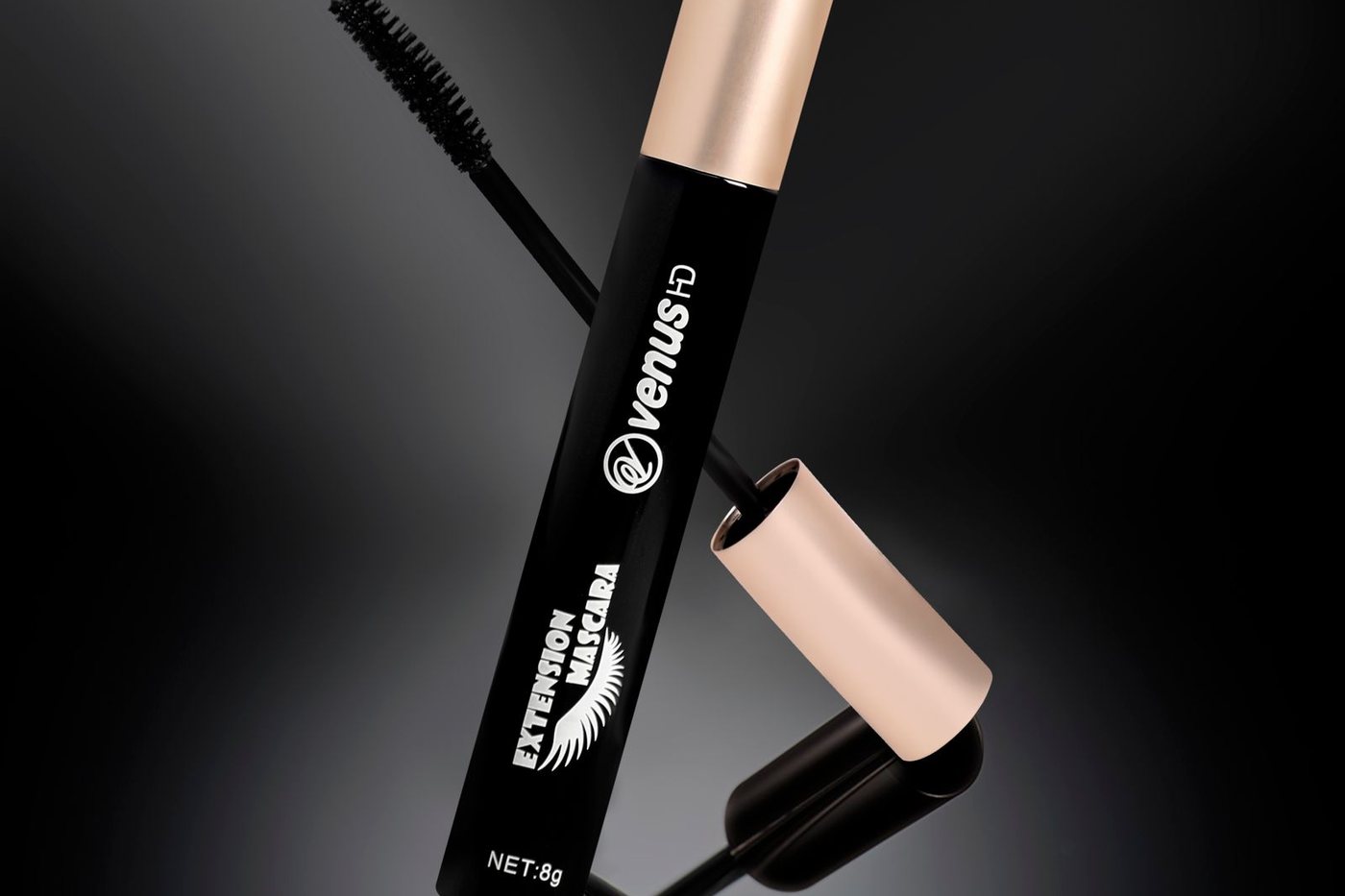
- Long-wear and waterproof makeup: foundations, mascaras, eyeliners, liquid lipsticks
- Some nail polishes and hair products marketed for durability
- Products listing PTFE (also sold as a texture powder) — historically including some loose powders
- Outside the bathroom: stain-resistant sprays, non-stick cookware and water-repellent clothing are bigger PFAS sources overall
Why people avoid PFAS
The concern is less about a single application than about persistence at population scale. PFAS accumulate: they are detectable in the blood of most people in industrialised countries, environmental agencies link the best-studied members of the family to a range of health outcomes at contamination-level exposures (near factories or through drinking water), and every wash-off product adds to waterways. For cosmetics specifically, direct evidence of harm from product use is thin — the case for avoidance is precautionary and environmental: the benefit (makeup that lasts longer) is trivial compared with the persistence cost, so many shoppers decide the trade is not worth it.
A widely cited 2021 peer-reviewed study of cosmetics sold in the US and Canada found high total fluorine — a marker for PFAS — in a large share of waterproof mascaras, liquid lipsticks and foundations tested, including products whose labels disclosed no PFAS ingredient. That disclosure gap, as with fragrance, is part of what frustrates consumers.
What regulators and the evidence say
The US EPA's PFAS programme focuses mainly on environmental contamination and drinking water, where exposure is largest, and the agency has set strict drinking-water limits for the best-known compounds. For cosmetics specifically, the action is at state and EU level: California prohibits intentionally added PFAS in cosmetics from 2025, with other states following similar timelines, and the European Chemicals Agency is evaluating a proposed near-universal PFAS restriction that includes cosmetics.
Health agencies are careful to separate the well-evidenced risks of high environmental exposure from the much smaller, poorly quantified exposure from a lipstick. Our explainers keep that distinction: PFAS in cosmetics is a live regulatory and environmental issue, and an unproven personal-toxicity one.
How to spot PFAS on a label
- Names containing "fluoro": perfluorooctyl triethoxysilane, perfluorononyl dimethicone, polyperfluoromethylisopropyl ether
- PTFE (polytetrafluoroethylene) listed as an ingredient
- "PFAS-free" claims — now common in colour cosmetics and the most practical shortcut
- Extreme wear claims ("48-hour", "transfer-proof") are a prompt to check the list, not proof of PFAS
What to use instead
The market moved fast once state bans landed: most major colour brands now offer PFAS-free lines, achieving wear with film-formers such as silicones and waxes instead (which carry their own, lesser environmental questions — see silicones). For most users, ordinary (non-waterproof) versions of the same product categories involve no PFAS at all, and reserving waterproof formulas for genuinely wet occasions cuts both exposure and environmental load.
If persistence is your motivating concern, the same thinking applies across the bathroom: explore the rest of the ingredients to avoid guide for the other environmental entries on the flagged list.
PFAS and the rest of your bathroom
Perspective helps: the largest cosmetic PFAS conversation is colour cosmetics, but the family's household footprint runs through stain-resistant sprays, some dental flosses (PTFE-based), waterproofed textiles and food-contact papers. A shopper auditing their exposure for the first time usually finds the cosmetics step the easiest (clear label names, ready substitutes) and the cookware/textile steps slower (durables are replaced at end of life, not on a whim). That sequencing is fine. Regulation is compressing the timeline anyway: as state bans and the proposed EU restriction advance, "PFAS-free" is transitioning from a premium claim to a baseline expectation in cosmetics — the same arc triclosan completed a decade earlier.
Frequently asked questions
Are PFAS in cosmetics dangerous to use?
Direct harm from cosmetic use has not been established; cosmetic exposure is small compared with drinking-water contamination near industrial sites, which is where the health evidence is strongest. Avoidance is mainly a precautionary and environmental choice, and regulators are restricting PFAS in cosmetics on that basis.
What does 'intentionally added' mean in PFAS laws?
Laws such as California's ban PFAS that a manufacturer deliberately puts in a product. Trace contamination from manufacturing is treated separately (with tightening thresholds over time), because a zero-trace rule would be impossible to verify immediately.
Is PTFE (Teflon) in makeup the same issue?
PTFE is a PFAS polymer. It is chemically very stable and not absorbed through skin in any meaningful way, but it belongs to the family, contributes to the persistence debate, and is covered by several of the new cosmetics bans — which is why 'PFAS-free' brands have reformulated it out.
How do I know if a product contains PFAS if the label doesn't say?
You often cannot be certain, which is why testing studies found undisclosed fluorine in products. Practical defences: choose brands publishing PFAS-free commitments, avoid extreme-wear claims for daily products, and watch for 'fluoro' in ingredient names.
Are PFAS banned in cosmetics everywhere?
No. Bans on intentionally added PFAS are in force in some US states and progressing in the EU; elsewhere, including Australia, regulation is still developing. The direction of travel is consistent even where the law has not yet landed.
Should I throw away makeup that contains PFAS?
There is no official instruction to do so, and the personal-risk evidence does not demand it. Most people simply replace items with PFAS-free versions as they run out — reserving immediate disposal for products they use daily on lips, where ingestion is most direct.
Checked against US EPA, US FDA, EWG Skin Deep cosmetics database, Holland & Knight (via JD Supra) sources · Last updated 2026-10-22 · How we assess ingredients
Sources (5)
- US EPA — PFAS information
- US FDA — Cosmetics information
- EWG Skin Deep cosmetics database
- Holland & Knight (via JD Supra) — FDA issues report on PFAS in cosmetics products (MoCRA report, December 2025)
- BeautyMatter — FDA report cannot determine safety of most PFAS used in cosmetics (trade-press coverage)