In this article
Centella asiatica — cica, gotu kola, tiger grass — is the soothing leaf in countless K-beauty creams, and the ingredient behind some of the boldest calming claims in skincare. The plant is real, and so are the small signals behind it: a handful of randomised trials report less redness after laser, better scar appearance after surgery, and more hydrated skin. But the human evidence base is tiny — two independent systematic reviews each found only four or five clinical trials, and both said a meta-analysis was not possible — and most shop-bought cica products contain an unspecified whole-plant extract at an undisclosed level, while the trials used named, standardised fractions at stated doses. The honest verdict: centella is a reasonable soothing and barrier-support ingredient for most people, worth trying with a patch test, and not a treatment for any skin condition. It is not proven to heal wounds, fade scars on its own, or treat eczema, rosacea or acne — and no regulator has endorsed it as safe in pregnancy, so that claim does not appear in this article either. What follows keeps the extract, the dose and the study design attached to every number.
What centella is
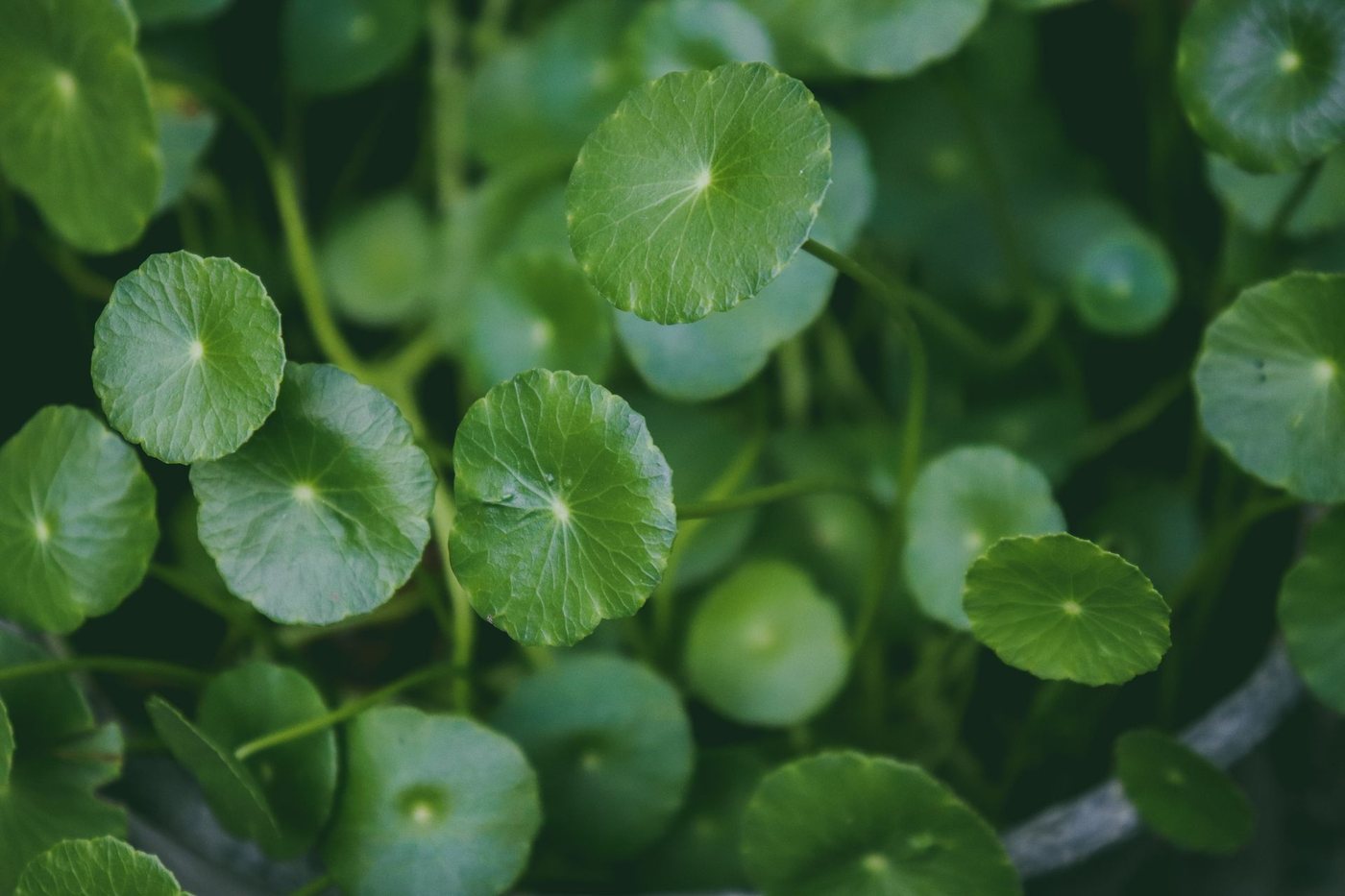
Centella asiatica is a small creeping herb with a long traditional history and a very modern marketing career. Its botanical name is Centella asiatica (L.) Urb., of the Apiaceae family — the carrot family, which also holds celery, fennel and parsley, a detail that matters for allergy (see the safety section). Its common names are gotu kola, Indian pennywort and tiger grass. It has been used for centuries in Ayurvedic and traditional Chinese medicine; this article says “centuries” deliberately, because the often-repeated figure of several thousand years cannot be verified as a dated fact and is not used here.
What makes the plant interesting to formulators is a group of compounds called pentacyclic triterpenes, also known as centelloids. There are four that matter:
| Compound | What it is | What the research says about it |
|---|---|---|
| Asiaticoside | A triterpenoid saponin (a glycoside) | Stimulates the synthesis of type I collagen in human fibroblast cells; the most abundant marker compound in standardised extracts |
| Madecassoside | A triterpenoid saponin (a glycoside) | The most-studied single constituent; the main component of the standardised extract ECa 233 used in the post-laser trial |
| Asiatic acid | A triterpenic genin (the aglycone form) | One of the two genins in TECA; named in the literature as a potential contact allergen |
| Madecassic acid | A triterpenic genin (the aglycone form) | The other genin in TECA; likewise named as a potential contact allergen |
How much of these compounds the plant contains depends on whom you ask, because the plant varies and the measurement varies with it. A 2013 review puts total triterpenoid saponins at 1% to 8% of the plant's constituents. A 2024 review gives ranges for the individual compounds in the plant: asiaticoside 0.5–3.7%, asiatic acid 0.04–0.58%, madecassoside 0.29–6.09%. That spread is the first warning sign for shoppers: “centella extract” on a label can mean a plant preparation with very different chemistry from one product to the next, and the label will not tell you which one you have.
That is why the trials in this article almost never test “centella extract” in the abstract. They test a named, standardised preparation. The best-known is TECA, the titrated extract of Centella asiatica: a highly refined and purified ethanolic extract standardised to 40% asiaticoside and 60% triterpenic genins — asiatic acid at 29–30%, madecassic acid at 29–30% and madasiatic acid at about 1%. An industry supplier describes the same 40/60 split and a purity of 95%. The European Medicines Agency notes that TECA, because of its manufacturing steps, cannot be classified as a herbal preparation — the 2022 European herbal monograph covers the plain herb for traditional use, not TECA medicines. The European Pharmacopoeia standard for the dried, fragmented aerial parts requires a minimum of 6.0% total triterpenoid derivatives, expressed as asiaticoside (asiaticoside molecular weight 959.15).
The whole-plant extract also contains much else besides the triterpenes: plant sterols, flavonoids, tannins at 20 to 25%, essential acid at 0.1%, phytosterols, mucilages, resins, free amino acids and flavonoid derivatives, according to the Cosmetic Ingredient Review's safety assessment. A hydroglycolic extract specification quoted in that report sets dry extract at 1.0–5 g per 100 g, lead below 20 ppm and arsenic below 1 ppm.
Tip: when a study is cited for centella, ask which fraction it used — whole-plant extract, TECA, ECa 233, madecassoside alone — and at what dose. If the answer is not given, the study cannot be used to support a product that does not name its fraction either. This article names the fraction every time.
Why it is in your skincare
Centella is in your skincare because it promises calm. It is marketed as a soother for red, sensitive and reactive skin, a barrier supporter, and a recovery aid after procedures — and it is, in the words of Cleveland Clinic, “a staple ingredient in many K-beauty products”, whose rise follows “the meteoric rise of South Korean skin care products”. Its current fame is a K-beauty export, not a new discovery.
In the European CosIng database, Centella Asiatica Extract is listed (reference 75075, as mirrored by COSMILE Europe) with the definition “the extract of the whole plant Hydrocotyl, Centella asiatica L., Apiaceae” and the functions cleansing, skin conditioning, smoothing, soothing and tonic. COSMILE defines the soothing function as relieving discomfort on the skin and the scalp, for example itching. Listing in CosIng is not approval and not proof of safety or effectiveness — the secondary page that reports the listing says exactly that — but the listed functions explain why formulators reach for it: it is the rare botanical that can be described as soothing, conditioning and smoothing at once.
What the ingredient is claimed to do on skin rests on two different kinds of evidence, and they should not be confused. The laboratory evidence is coherent: the four active compounds stimulate collagen production, according to Cleveland Clinic, and the reviews describe triterpenes driving extracellular-matrix production through TGF-β/Smad signalling, dampening NF-κB and JAK/STAT3 inflammatory signalling, and mitigating oxidative and glycation stress. The human evidence for those mechanisms showing up as visible skin change is far thinner, and it is the subject of the next two sections. A claim that moves from “stimulates collagen in fibroblast cells” to “firms your skin” has crossed from the lab into the shop without stopping at a clinical trial.
Formulators also use centella because it is easy to include. It appears in creams, serums, ampoules, toners, gels and sheet masks, usually as Centella Asiatica Extract or Centella Asiatica Leaf Extract, sometimes as purified madecassoside or asiaticoside. Cleveland Clinic's practical advice is that leave-on products — creams, serums and lotions — are the best way to see benefit, rather than rinse-off products, which spend too little time on the skin.
Tip: treat “cica” as a vibe, not a dose. It is short for cicatrisant, a word about healing, and it appears on products that contain a trace of whole-plant extract and on products that contain a measured fraction. The label words that carry information are madecassoside, asiaticoside, TECA and the extract's position in the ingredients list — the final section shows how to read them.
Related: Panthenol (Pro-Vitamin B5): The Quiet Barrier Soother, Explained Without the Hype
What the evidence shows on skin
The fairest one-line summary of the human evidence comes from a 2025 review of skin studies: “Human studies, though small and heterogeneous, report improvements in hydration, transepidermal water loss (TEWL), elasticity, and wrinkle appearance, as well as benefits in scar parameters, with good topical tolerability.” Every word of that sentence is doing work — “small”, “heterogeneous”, “report improvements” — and this section unpacks it study by study, because the details are where the honest limits live.
| Study | Design | What it found | Limit |
|---|---|---|---|
| Ratz-Łyko 2016 (hydration) | 25 healthy volunteers, 2.5% and 5% extract, forearms, 4 weeks | 5% emulsion raised stratum-corneum hydration by 25% over 4 weeks; 5% hydrogel by 22% | Forearms, not face; healthy volunteers; 4 weeks |
| Su 2025 (sensitive skin) | 88 women, combination cream, 4 weeks | Sensitive-skin symptom scores down 66% at 2 weeks and 76% at 4 weeks | No control group; cream also held ceramide NP and panthenol |
| Damkerngsuntorn 2020 (post-laser) | 30 people, split-face, 0.05% standardised extract vs placebo | Erythema index significantly lower (p = 0.046); redness below baseline by day 7 vs day 28 | Single centre; small effect on the instrument measure |
| Oral RCT 2026 | 112 women, 200 mg/day oral extract, 12 weeks | Wrinkle depth down 11.1%; hydration up only 2.7% | Oral supplement, not a cream — do not transfer the numbers |
Hydration is the best-measured cosmetic effect, and it comes from one small study. Ratz-Łyko and colleagues (2016) tested an emulsion and a hydrogel, each with 2.5% and 5% (w/w) Centella asiatica extract, applied twice daily for four weeks to the forearms of 25 healthy volunteers aged 18–55. The extract used was a dried extract containing 10% active constituents (madecassic acid, asiatic acid, asiaticoside). The 5% emulsion raised hydration of the stratum corneum by 12% after one week and by 25% after four weeks versus control, and the 5% hydrogel by 22% after four weeks. The authors concluded the 5% formulations best improved skin moisture and showed anti-inflammatory properties in a methyl nicotinate model of microinflammation. A standardised 48-hour patch test found no acute skin irritation or allergic sensitisation in this group. The limits belong in the same paragraph: 25 people, forearms rather than faces, four weeks, healthy volunteers — and the anti-inflammatory result comes from experimentally induced redness (methyl nicotinate), not from a skin disease. A secondary synthesis reports a further water-loss figure for the 5% emulsion, but that figure was not in the primary paper text read for this article, so it is not quoted here as a paper result.
Sensitive skin has one recent study, and it is both encouraging and uncontrolled. Su and colleagues (2025) ran a prospective observational study in which 88 Chinese women with sensitive skin applied a cream containing Centella asiatica leaf extract, ceramide NP and panthenol to the whole face, with follow-ups at day 2 and weeks 1, 2 and 4. Mean sensitive-skin scores dropped by 66% and 76% after 2 and 4 weeks; four symptoms — skin irritation, tautness, itching and redness — were significantly reduced; TEWL decreased at weeks 1 and 2, skin pH at week 1 and weeks 2 and 4, skin hydration increased at all time points and sebum secretion at week 4. All adverse events were mild and self-limiting. The caveat is essential and must travel with the numbers: there was no control group and no placebo, and the cream also contained ceramide NP and panthenol, both of which can improve barrier symptoms on their own. The 66% and 76% figures describe the whole formula, not centella alone. Cleveland Clinic's view sits at the same level: centella “helps your skin barrier retain moisture and reduces redness and inflammation”, while noting “there aren't as many studies out there as you might expect, though interest has gone up in the past few years.”
Ageing, scars and cellulite are where the claims outrun the trials. Cleveland Clinic again: “While there's some evidence to suggest Centella Asiatica may reduce signs of photoaging, as well as the appearance of scars and cellulite, there's more research needed to say something definitive.” A 2021 review of skin diseases reaches the same place from the lab side: centella compounds act on acne, burns, atopic dermatitis and wounds through NF-κB, TGF-β/Smad, MAPK, Wnt/β-catenin and STAT signalling in lab and animal studies, but “additional rigorously controlled long-term clinical trials will be necessary to confirm the full potential” of the plant as a therapeutic agent. Do not cite that review as proof that centella is a treatment for acne or eczema — it is a mechanisms review, and it says so.
One more number you will see quoted for cica, and it needs a warning label. A 2026 randomised trial gave 112 middle-aged Korean women either 200 mg a day of oral centella extract or a placebo for 12 weeks: average wrinkle depth fell by 11.1%, the mean depth of the largest wrinkle by 14.4%, maximum wrinkle depth by 13.3% and total wrinkle volume by 13.7%, while surface roughness fell by 10.4%. But epidermal hydration rose by only 2.7%, skin elasticity by 0.7% and brightness by 0.7% — small changes, in the authors' own framing. Those percentages describe swallowing centella, not rubbing it on, and must never be quoted for a cream.
Tip: hydration and barrier repair are not the same claim. A product can raise skin water content for four weeks — as the 5% emulsion did — without proving it repairs the barrier, and the hydration study measured water content, not barrier structure. Ask which one a claim actually measured.
Related: Ceramides: What They Are, Why Barrier Repair Starts Here, and How to Spot a Serious Formula
The wound-healing question
If one claim defines cica, it is healing — wounds that close faster, scars that look better. Two independent systematic reviews counted that evidence base, and both counted it as small.
The count itself is the story. Arribas-López and colleagues (2022) searched four databases and found four clinical trials that met their inclusion criteria. Hongsing and colleagues (2022) searched, found 1,410 records, and kept five clinical trials. Both reviews say the same thing in the same words: more studies are needed before a meta-analysis can be done. Arribas-López concludes that centella “might enhance wound healing resulting from improved angiogenesis”, possibly through stimulating collagen I, fibroblast growth factor and vascular endothelial growth factor — and that “more studies are needed in order to perform a meta-analysis and ascertain the effects”. Hongsing concludes that centella “may have beneficial effects on wound healing; however, more clinical trials are needed in order to perform a meta-analysis”, because variation in study design and reporting made pooling impossible.
| Trial (as tabulated in the reviews) | People and wound | What was tested |
|---|---|---|
| Paocharoen | 170 people, diabetic wounds | 3 × 100 mg asiaticoside; wound contraction and granulation |
| Saeidinia 2017 | 75 people, burn wounds | Centiderm (centella) ointment vs silver sulfadiazine; healing time, re-epithelialization, infection, pigmentation |
| Chiaretti | 98 people, chronic anal fissure | 2 × 60 mg oral plus 3 g topical; bleeding time and pain |
| Damkerngsuntorn 2020 | 30 people, after laser resurfacing | 0.05% standardised extract (ECa 233) vs placebo gel, split-face |
| Jenwitheesuk 2018 | 30 people, skin-graft donor sites | 7% centella cream vs placebo, split-site, 12 weeks |
| Balevi 2023 | 280 people, after carpal tunnel surgery | 1% centella cream vs no treatment, 6 months |
Note what is missing from the Saeidinia row: a concentration. The two reviews disagree on the stated strength for the same trial, so this article does not quote one. That disagreement is itself evidence of how inconsistently the trials are reported — a point the 2024 review makes directly, noting that many studies do not even describe the extract used properly, and that new reports should describe the extract in more detail.
The strongest single trial is the post-laser one, because it is the only one with a fully specified extract, dose and placebo. Damkerngsuntorn and colleagues (2020) ran a split-face, double-blind, randomised, placebo-controlled trial in 30 people (25 women, 5 men; mean age 30.6 ± 5.6 years; skin types III in 23 people and IV in 7) after 2940 nm Er:YAG laser for atrophic acne scars. The extract, ECa 233, contained 51% madecassoside and 38% asiaticoside, used as a 0.05% w/w gel, applied four times daily for 7 days then twice daily for 3 months, against an identical placebo gel on the other half of the face. The erythema index was significantly lower on the treatment side (p = 0.046), with a coefficient of −0.03 — a small effect on the instrument measure. Physician assessment found significantly better erythema on days 2, 4 and 7 (p = 0.009, 0.006, 0.012), crusting on day 2 (p = 0.02) and general wound appearance on days 2, 4 and 7 (p = 0.008, 0.001, 0.044). Skin biophysics did not differ between the two groups, and texture and melanin outcomes were not significant. The erythema index fell below baseline by day 7 on the treated side, versus day 28 on the placebo side. This is post-procedure care under a clinic protocol, not proof that a shop-bought cica cream heals everyday skin the same way.
The largest trial is the scar trial, and its control group is its weakness. Balevi and Balevi (2023) randomised 280 people after open carpal tunnel release surgery — 140 to a 1% Centella asiatica extract cream in a petroleum base, applied to the wrist for 6 months after sutures were removed, and 140 to no intervention. The overall Vancouver Scar Scale score of the intervention group significantly improved at 3–6 months (−1.260, p = .040). At 6 months, mean QuickDASH was 18.54 versus 28.70 (p < .04) and mean satisfaction scores were 1.46 versus 2.48 (p < .03). The control group received no treatment, not a placebo cream, so expectation and moisturisation effects cannot be separated from a centella effect — a plain moisturiser might have done some of the same work, and this design cannot tell you. Enrolment ran over a ten-year span, at a single centre.
The graft-site trial is the cleanest scar design, and the smallest. Jenwitheesuk and colleagues (2018) ran a prospective randomised, controlled, double-blind trial in which 30 patients were enrolled (36 approached, 6 declined) and 23 completed evaluation. A 7% w/w centella extract cream was applied to one half of a skin-graft donor site and a placebo cream to the other half, for 12 weeks, assessed by Vancouver Scar Scale at 4, 8 and 12 weeks. There were significant differences in the pigmentation parameter and in comparative total scores between 4 and 12 weeks in the centella group, and pigmentation improved from baseline from week 8 with centella versus from week 12 with placebo. Seven of the thirty did not complete; the benefit shown was for pigmentation, not for scar height, pliability or vascularity as a whole; and the 7% concentration is a study preparation, not a retail standard.
The mechanism is plausible and repeatedly described — which is not the same as proven in people. The reviews describe the main triterpenes stimulating type I collagen and fibronectin, supporting angiogenesis, and dampening inflammation — measured as reductions in interleukin-1β, interleukin-6, tumour necrosis factor α, prostaglandin E2, cyclooxygenase-2 and lipoxygenase activity. A 2013 review adds that the mechanism improves the tensile strength of newly formed skin and inhibits the inflammatory phase of hypertrophic scars and keloids. A 2014 overview identified 31 studies on wound, psoriasis and scleroderma healing, but the later reviews supersede it on trial counts.
What the European regulator actually recognises is narrower than the marketing. The European Medicines Agency's 2022 herbal monograph gives centella a traditional-use indication for minor wounds only, for cutaneous use: adults apply 0.6 g as a warm-infusion dressing or as powder, three times a day, for up to one week, and it is not recommended under 18. “Traditional use” means a plausible use with a long track record, without trials to prove it. That is a much weaker statement than “proven to heal wounds”, and it is not a cosmetic efficacy finding at all — it is a herbal-medicine monograph. A cosmetic should never be used on an open, infected or complicated wound, and no cica cream is a wound treatment.
Tip: when a brand says “clinically proven to heal”, ask which trial, in how many people, against what control. In centella's case the honest answer is four or five trials, mostly small and single-centre, with one no-treatment control and one 23-person completion — a real signal, and a long way from proven.
What regulators say
There is no single global verdict on centella, because no regulator has been asked to approve it as a drug, and no regulator sets an effective dose for it in cosmetics. What exists is a patchwork: a safety conclusion from an industry panel, a listing without a limit in Europe, a traditional-use monograph for minor wounds, and an American rule that says, in effect, nobody approves this at all.
| Authority | What it says | What it does not say |
|---|---|---|
| US FDA | Cosmetics need no pre-market approval (except colour additives); makers must substantiate safety | It has not approved centella as a drug, or any cica cream |
| CIR Expert Panel (2015; journal version 2023) | Nine centella-derived ingredients safe as used, when formulated to be non-sensitizing | It is an industry-funded panel, not a regulator; it sets no effective dose |
| EU CosIng | Centella Asiatica Extract listed (ref. 75075) with soothing, conditioning, smoothing, cleansing, tonic functions | Listing is not approval; no maximum concentration was found |
| EMA (2022) | Traditional-use monograph for minor wounds only, cutaneous use, up to one week | Not a cosmetic efficacy finding; not recommended under 18 |
| EWG (advocacy) | Scores the ingredient 1, with fair data availability and low concern ratings | An advocacy score, not a safety verdict or a regulator's view |
United States. The Food and Drug Administration's position is the one that most marketing quietly ignores: “The law does not require cosmetic products and ingredients, other than color additives, to have FDA approval before they go on the market”, and “FDA-regulated does not mean FDA-approved.” Companies that manufacture or market cosmetics have a legal responsibility to ensure the safety of their products, and a product intended for a therapeutic use — or to affect the structure or function of the body — is a drug, even if it affects the appearance. The Modernization of Cosmetics Regulation Act of 2022 added mandatory facility registration, product listing, safety substantiation, adverse-event reporting, good manufacturing practice and mandatory recall authority — but, in the words of a law-firm summary of the statute, “MoCRA does not include a premarket approval requirement for cosmetics”, and “cosmetic products and ingredients must be adequately substantiated for safety before marketing in the U.S.” Even after MoCRA, there is still no pre-market approval for a cica product, and “FDA approved” must never be claimed for one. A real product label in the FDA's DailyMed database carries the point in print: a cica pad listing madecassoside at 0.01% and centella extract at 0.05% states “This drug has not been found by FDA to be safe and effective, and this labeling has not been approved by FDA.”
Europe. Regulation (EC) No 1223/2009 is the framework law for cosmetics, and Centella Asiatica Extract is listed in the CosIng database (reference 75075, according to COSMILE Europe, which mirrors CosIng — the live CosIng portal was not queried for this article, so this article does not claim a direct CosIng check). Its listed functions are cleansing, skin conditioning, smoothing, soothing and tonic. No EU maximum concentration for the cosmetic ingredient was found; one secondary source states that the maximum concentration “is not regulated by the European Regulation on Cosmetic Products”, which is treated here as a secondary claim, not a verified reading of the Regulation text. The EU herbal monograph position is covered in the wound-healing section above.
The safety headline comes from CIR — with two qualifiers that must travel with it. The Cosmetic Ingredient Review Expert Panel's final report (2015; journal version 2023 in the International Journal of Toxicology) concluded that nine centella-derived ingredients — extract, callus culture, flower/leaf/stem extract, leaf cell culture extract, leaf extract, leaf water, meristem cell culture, meristem cell culture extract and root extract — “are safe in the present practices of use and concentration in cosmetics, as described in this safety assessment, when formulated to be non-sensitizing.” First qualifier: CIR is an industry-funded expert panel, not a government regulator, and its conclusion is a safety assessment, not an approval. Second qualifier: the conclusion is conditional on “when formulated to be non-sensitizing” — a product that sensitizes is outside it. There is also a history worth knowing: the March 2015 tentative report found data insufficient for seven of the nine ingredients and “safe” only for leaf extract and meristem cell culture; the July 2015 final report concluded all nine were safe as above. Cite the final report, not the tentative one. Patch-test data reported by a brand library and attributed to CIR work: an eye lotion with 0.2% extract caused no irritation or allergy in 54 subjects, a cell culture at 20% in glycerol caused no reaction in 108 participants, and a mascara with 0.5% madecassoside caused neither irritation nor sensitization in 109 subjects.
EWG gets one sentence, labelled. The Environmental Working Group (EWG) is an advocacy organisation, not a regulator. Its Skin Deep database scores Centella Asiatica (Gotu Kola) as 1 — the lowest hazard band on its 1–10 scale — with data availability rated Fair, and common concerns (cancer; allergies and immunotoxicity; developmental and reproductive toxicity; use restrictions) all rated LOW, plus irritation rated low. EWG's own method wording is that its hazard score “reflects known and suspected hazards linked to the ingredients”. That is what EWG says; it is not a safety verdict, and it must never be presented as a regulator's view. A product example on EWG lists an ampoule with Centella Asiatica Extract at 30,000 ppm — that is 3% — which shows how widely label levels vary.
Related: Glycerin: The Humectant in Almost Everything
The debate
The case that the evidence is genuinely promising
The mechanism is coherent and repeated across reviews: triterpenes stimulate type I collagen and fibronectin, dampen NF-κB, TNF-α and IL-6 signalling, and support angiogenesis. There are real randomised, placebo-controlled human trials with positive results: post-laser redness in 30 people (p = 0.046), graft donor-site pigmentation in 30 people, and a large scar trial in 280 people. A cosmetic-formula study with instrumental measures showed 25% more hydration at 5% over four weeks, and an 88-person sensitive-skin study showed symptom scores down 66–76%. A 2025 preclinical meta-analysis of sixteen animal studies — eleven of them with quantifiable data — found treated groups improved on tensile strength, epithelization period, wound contraction, hydroxyproline content, collagen deposition, neovascularization, reduced inflammation and fibroblast proliferation, with three dermal-toxicity studies finding no skin irritation. Regulators and expert panels have not restricted it: CIR says safe as used when formulated to be non-sensitizing, the EU lists it without a maximum concentration, and the EMA recognises traditional use for minor wounds. On this view, the signal is real, the safety record is good, and the only thing missing is scale.
The case that the marketing has outrun the evidence
The entire human wound-healing base is four or five trials, and two independent systematic reviews both say a meta-analysis was not possible. Most trials are single-centre, small (23 to 30 people completing in the scar and laser trials), or uncontrolled — the sensitive-skin study had no control group at all. The strongest scar trial (280 people) used a no-treatment control, not a placebo cream, so a plain moisturiser effect cannot be excluded. The trials used named, standardised fractions — TECA, ECa 233 at 51% madecassoside and 38% asiaticoside, a 7% cream, a 1% cream — while shop products usually list an unspecified “Centella Asiatica Extract” at an undisclosed level, sometimes 0.05% on the label. The research does not transfer automatically. Claims for acne, eczema, rosacea, wrinkles and cellulite rest on lab and animal work and expert opinion; a 2021 review says long controlled trials are still needed, Cleveland Clinic says more research is needed for photoageing, scars and cellulite, and a dermatologist quoted in secondary coverage says high-quality peer-reviewed studies for eczema, psoriasis and acne creams are lacking. “Natural” does not mean “cannot sensitize”: contact dermatitis is documented, Apiaceae allergy is a contraindication, and CIR's safety conclusion is conditional on “formulated to be non-sensitizing”. And the animal meta-analysis is animal evidence — it must never be presented as human proof.
Where both voices agree: centella is a reasonable soothing and barrier-support ingredient for most people, worth trying with a patch test, and not a treatment for any skin disease. Neither voice supports calling it proven, or calling it unsafe. The gap both voices name is the same one: most cica products contain an unspecified whole-plant extract at an undisclosed level, while the cited clinical work used a named, standardised fraction at a stated dose — so the research does not directly support the product on the shelf.
Who should avoid it, or patch-test first
Topical centella is generally well tolerated. The people who need this section are the ones with a specific allergy, the ones who are pregnant, and the ones confusing a cream with a supplement.
- People allergic to the carrot family — avoid it. Centella is Apiaceae, the carrot family, and allergy to that family is a stated contraindication in the European herbal material. If you react to carrot, celery, fennel or parsley, do not use centella. The Australian evidence review puts it plainly: people allergic to plants of the carrot family should avoid it, and contact dermatitis has been reported with creams.
- Everyone else — patch-test first, and mean it. Cleveland Clinic advises a spot test on the inner arm and waiting at least 24 hours before using a product on the face, and stopping if you develop burning, itching or a rash. The most common reaction is a burning sensation or contact dermatitis. A case-report author suggests starting patch testing at 1% in petrolatum, and moving to higher concentrations only if that is negative. Do the test even though the risk is low: the whole point of a patch test is that rare reactions are still real reactions.
- Allergy is rare but documented — and that is the honest sentence. In guinea-pig work, the extract and its three acids were “very weak sensitizers”, and the author concluded that “although applied frequently to damaged skin, the risk of acquiring contact sensitivity to this plant or its constituents is low.” Low is not zero. Allergic contact dermatitis from centella creams and from Madecassol has been reported on a few occasions since 1985, including patch-test-confirmed cases, and the potential allergens named in the literature are madecassic acid, asiatic acid and asiaticoside. One case involved severe eczema on the neck and chest after a purified-extract ointment was used on a thyroidectomy scar, with patch testing confirming the centella extract as the cause. In an Italian multicentre study, 3 of 122 people with reactions to botanical skin products (2.5%) patch-tested positive to centella extract. A 2010 review summarises the position as: side effects are rare, although it may cause skin allergy and burning sensations with external use — but that review predates the liver-injury case series, so do not quote it alone.
- Pregnant or breastfeeding — ask a clinician first; do not take anyone's word for it. No regulator statement has been found endorsing topical centella as safe in pregnancy, so this article does not claim that. Cleveland Clinic advises asking a dermatology healthcare provider before using centella if you are pregnant or breastfeeding, and a 2026 evidence review states that adequate human safety data are lacking and the EU herbal monograph does not recommend use. The secondary guides disagree with each other: one pregnancy guide places ordinary topical use in its no-known-risks band while recognising that direct pregnancy studies are limited, and adds that “proven safe for every pregnancy” would go beyond the evidence; another calls it “generally considered suitable” as a soothing ingredient with no specific pregnancy concerns. A brand library goes further and says it can be used by pregnant or breastfeeding women provided it remains strictly limited to topical application — while warning that oral consumption of centella supplements is not recommended during pregnancy, as its safety has not been established in that context. None of these pages is a regulator. The honest line is: no pregnancy-specific concern has been identified for normal cosmetic use, but that is not proof of safety — check with your obstetrician or dermatologist, and avoid oral centella supplements in pregnancy.
- Under 18 — the monograph does not recommend it. The EU herbal monograph does not recommend centella use under 18, and Cleveland Clinic lists being under 18 among the reasons to ask a clinician first. That is a herbal-medicine position, not a cosmetic ban, but it is a reason to ask rather than assume.
- History of liver problems — ask a clinician first, and keep oral and topical separate. Cleveland Clinic lists a history of liver problems such as hepatitis among the reasons to ask a provider before using centella. The liver record itself is about oral use: the US National Library of Medicine's LiverTox resource states that “while generally regarded as safe, Centella has been linked to rare instances of clinically apparent acute liver injury with jaundice”, gives it likelihood score C (probable rare cause of clinically apparent liver injury), and notes that centella “is not approved in the United States as therapy of any medical condition”. The case series behind the warning is three Argentinian women who developed liver injury with jaundice after using centella for weight loss, with onset at 3 to 8 weeks, injury resolving completely within 1 to 2 months after stopping, and one case recurring on re-exposure. The products were never analysed, so contamination or other hepatotoxins cannot be ruled out. The typical oral dose is 60 to 120 mg daily of purified extracts, but may be 600 to 1800 mg daily of capsules or powders of dried leaves. This is an oral-supplement issue, not a topical-skincare finding — but the article must not present oral and topical safety as the same thing.
- History of skin cancer — ask a clinician first. Cleveland Clinic also lists a history of skin cancer among the reasons to ask a dermatology provider first; it gives no trial behind that caution.
- Anyone taking oral centella supplements — a different product with a different risk. In large quantities, taken orally or by injection, centella has been reported to cause headaches, gastrointestinal issues, drowsiness, dizziness and miscarriage, according to Cleveland Clinic. A 2010 review adds that side effects at high doses may include headache, stomach upset, nausea, dizziness and drowsiness, and that it should not be used for more than 6 weeks. None of that describes a face cream. If you swallow centella, you are using a different product from the one this article is about, and the safety section for it is the LiverTox record above, not the patch-test advice.
For everyone else, the practical advice is short: patch-test on the inner arm, wait at least 24 hours, stop if burning, itching or a rash develops, and keep oral centella away from the groups above. A product that stings on irritated skin is not necessarily an allergy — but stinging that persists, or a rash that spreads, is a reason to stop and, if it does not settle, to speak with a doctor or dermatologist.
How to judge a formula
There is no regulator-set effective dose for centella, so no percentage on a label is “the right one”. What exists is a set of levels actually tested, each tied to a specific preparation.
| Level tested | Preparation | What it was tested for |
|---|---|---|
| 0.05% | Standardised extract ECa 233 (51% madecassoside, 38% asiaticoside), gel | Redness after laser resurfacing, split-face vs placebo |
| 2.5% and 5% | Dried extract with 10% active constituents, emulsion and hydrogel | Hydration and water loss over 4 weeks, forearms |
| 1% | Centella extract in a petroleum cream | Scar scores after carpal tunnel surgery, vs no treatment |
| 7% | Centella extract cream (70% alcohol extract) | Scar pigmentation at skin-graft donor sites, vs placebo |
| Undisclosed | Combination cream with ceramide NP and panthenol | Sensitive-skin symptoms over 4 weeks, no control group |
Look for a named fraction, not the word “cica”. On a label, look for madecassoside, asiaticoside, or TECA — the titrated extract at 40% asiaticoside plus 60% asiatic and madecassic acids — and for the extract's position in the ingredients list, rather than the word “cica” alone. Ingredients are listed in descending order of concentration above 1%, so a named fraction near the top means a meaningful dose and a named fraction near the end means a token presence. “Cica” says nothing about which fraction is present or how much of it there is.
A concrete example of how low a label level can be. A real product label in the FDA's DailyMed database — a cica calming pad — lists its active ingredients as madecassoside 0.01% and Centella Asiatica Extract 0.05% (0.009 g madecassoside and 0.045 g centella in 90 mL), with the purpose given as skin treatment, and carries the statement that the drug has not been found by FDA to be safe and effective. That product is mostly water and glycerin with centella at 0.05%. It may still be a pleasant pad; it cannot lean on the 5% hydration trial or the 7% scar trial, because it contains a fraction of their dose in a different preparation.
Prefer leave-on over rinse-off. Cleveland Clinic's advice, quoted in the second section, is that leave-on products — creams, serums and lotions — are the best way to see benefit, rather than rinse-off products. A cica cleanser that spends thirty seconds on the skin is not comparable to a cica cream that stays on all day, even at the same labelled percentage.
Do not pay for a percentage the trials never tested. A serum advertising 30,000 ppm centella extract — 3% — sits between the tested levels, but between is not tested: the hydration trial used 2.5% and 5% of a dried extract with 10% actives, the scar trials used 1% and 7% creams, and the laser trial used 0.05% of a standardised extract. A number on a label is information; a number that matches a trial is evidence. They are not the same thing, and the price does not tell you which one you are buying.
Finally, run the same checks this guide teaches for every “with” claim. Patch-test on the inner arm and wait at least 24 hours. Check the full ingredients list for fragrance or alcohol if your skin is reactive — the soothing ingredient is not the whole formula. And remember the two sentences that carry the whole article: the research supports a named fraction at a stated dose in a small trial, and the product on the shelf usually names neither. When a product does name both, that is the one worth trying first.
Related: Glycerin: The Humectant in Almost Everything
Frequently asked questions
What is centella asiatica (cica) in skincare?
Centella asiatica, also called cica, gotu kola or tiger grass, is a creeping herb of the Apiaceae (parsley/carrot) family, used for centuries in Ayurvedic and traditional Chinese medicine. In skincare it appears as a whole-plant extract or as purified triterpenes — asiaticoside, madecassoside, asiatic acid and madecassic acid — which are the compounds most studied in the lab. “Cica” on a label is a marketing word, not a specification: it says nothing about which fraction or how much is in the product.
Does centella asiatica help with redness and sensitive skin?
The signs point that way, but the proof is thin. In one 2025 study of 88 women, a cream with centella leaf extract, ceramide NP and panthenol lowered sensitive-skin symptom scores by 66% at 2 weeks and 76% at 4 weeks — but there was no control group and the other two ingredients can soothe skin on their own. A 2016 study found a 5% centella emulsion raised skin hydration by 25% over 4 weeks and reduced experimentally induced redness. Cleveland Clinic's view is that it helps the barrier retain moisture and reduces redness and inflammation, while noting there “aren't as many studies out there as you might expect.”
Does cica heal wounds or fade scars?
It may help healing and scar appearance, but it is not a wound treatment. Two systematic reviews found only four or five human clinical trials, and both said a meta-analysis was not possible. The best trials are small: a 30-person split-face trial found a 0.05% standardised extract gel reduced redness after laser (p = 0.046), and a 280-person trial found a 1% cream improved scar scores after carpal tunnel surgery — but its control group got no cream at all. The EU recognises traditional use for minor wounds only, which is not the same as proven healing, and a cosmetic should never be used on an open, infected or complicated wound.
Is centella asiatica safe in pregnancy?
No regulator has been found that calls topical centella safe in pregnancy, so this article does not claim that. Cleveland Clinic advises asking a clinician first if you are pregnant or breastfeeding, and a 2026 evidence review states adequate human safety data are lacking and the EU herbal monograph does not recommend use. Some secondary guides call ordinary topical use “generally considered suitable” or “no known risks”, while noting direct pregnancy studies are limited. The honest line is: no pregnancy-specific concern has been identified for normal cosmetic use, but that is not proof of safety — check with your obstetrician or dermatologist, and avoid oral centella supplements in pregnancy.
Can centella asiatica cause an allergy? Who should patch-test first?
Yes, rarely. It is described as a weak sensitizer in guinea-pig work, and allergic contact dermatitis from centella creams and ointments has been reported since 1985, including patch-test-confirmed cases. People allergic to plants in the carrot family (carrot, celery, fennel, parsley) should avoid it, since the European herbal material lists Apiaceae hypersensitivity as a contraindication. Cleveland Clinic advises a spot test on the inner arm and waiting at least 24 hours before using a product on the face, and stopping if you develop burning, itching or a rash.
What percentage of centella should I look for — and does madecassoside matter?
There is no regulator-set effective dose, so no percentage on a label is “the right one”. The levels actually tested in human trials were 0.05% of a standardised extract (51% madecassoside, 38% asiaticoside) after laser, 2.5% and 5% extract in a hydration study, 1% in a scar cream, and 7% in a graft-site cream — each tied to that specific preparation, not to centella in general. On a label, look for a named fraction (madecassoside, asiaticoside, or TECA — 40% asiaticoside plus 60% asiatic and madecassic acids) and a position in the ingredients list, rather than the word “cica” alone; one real product label lists centella extract at 0.05% and madecassoside at 0.01%.
Checked against FDA, CIR (industry-funded panel), EMA, the two 2022 systematic reviews, Cleveland Clinic and LiverTox · Last updated 2026-11-23 · How we assess ingredients
Sources (40)
- US Food and Drug Administration. FDA Authority Over Cosmetics: How Cosmetics Are Not FDA-Approved, but Are FDA-Regulated — the law does not require cosmetic products and ingredients, other than colour additives, to have FDA approval before they go on the market
- US Food and Drug Administration. Cosmetics Q&A: Why are cosmetics not FDA-approved? — “FDA-regulated does not mean FDA-approved”, in plainer language
- Akerman LLP. New FDA Regulatory Framework for Cosmetics: The Modernization of Cosmetics Regulation Act of 2022 (MoCRA) — “MoCRA does not include a premarket approval requirement for cosmetics”; mandatory registration, listing, safety substantiation, adverse-event reporting
- COSMILE Europe (mirrors the EU CosIng database). Centella Asiatica Extract, INCI detail 2805 — CosIng reference 75075; functions cleansing, skin conditioning, smoothing, soothing, tonic; soothing defined as relieving discomfort on the skin and scalp
- Heldreth B et al. Safety Assessment of Centella asiatica-Derived Ingredients as Used in Cosmetics. International Journal of Toxicology 2023; 42(Suppl. 1): 5-22 (final report 2015) — nine centella-derived ingredients “safe in the present practices of use and concentration in cosmetics, when formulated to be non-sensitizing” (INDUSTRY-FUNDED panel, not a regulator)
- European Medicines Agency. Assessment Report on Centella asiatica (L.) Urb., herba, Revision 1 (EMA/HMPC/489140/2020, 30 March 2022) — pharmacopoeia minimum 6.0% total triterpenoid derivatives expressed as asiaticoside; TECA 40% asiaticoside plus 60% triterpenic genins; TECA cannot be classified as a herbal preparation
- European Medicines Agency. EU herbal monograph on Centella asiatica (L.) Urb., herba (EMA/HMPC/489142/2020, 2022), read via secondary summaries — traditional use only, for minor wounds, cutaneous use; 0.6 g three times a day for up to one week; not recommended under 18; Apiaceae allergy rules it out
- Arribas-López E, Zand N, Ojo O, Snowden MJ, Kochhar T. A Systematic Review of the Effect of Centella asiatica on Wound Healing. International Journal of Environmental Research and Public Health 2022; 19(6): 3266 — four clinical trials met the criteria; more studies are needed before a meta-analysis is possible
- Hongsing P et al. A Systematic Review of Randomized Controlled Trial on Efficacy of Centella asiatica for Wound Healing. Journal of Health Science and Alternative Medicine 2022 — 1,410 records screened, five clinical trials kept; a meta-analysis was not possible due to variation in design and reporting
- Witkowska K, Paczkowska-Walendowska M, Garbiec E, Cielecka-Piontek J. Topical Application of Centella asiatica in Wound Healing. Pharmaceutics 2024; 16(10): 1252 — triterpene ranges in the plant; asiaticoside stimulates type I collagen in human fibroblasts; extracts in studies often poorly specified
- Handayani R, Febriyanti RM, Muhaimin M, Chearunisaa AY. Centella asiatica (L.) Urb. in skin health and cosmeceuticals. Pharmacia 2025; 72: 1-13 — “Human studies, though small and heterogeneous, report improvements in hydration, TEWL, elasticity, and wrinkle appearance, as well as benefits in scar parameters”
- Park KS. Pharmacological Effects of Centella asiatica on Skin Diseases. Evidence-Based Complementary and Alternative Medicine 2021; 2021: 5462633 — mechanisms from lab and animal work only; “additional rigorously controlled long-term clinical trials will be necessary”; do not cite as proof of treatment for acne or eczema
- Bylka W, Znajdek-Awiżeń P, Studzińska-Sroka E, Brzezińska M. Centella asiatica in cosmetology. Postępy Dermatologii i Alergologii 2013; 30(1): 46-49 — active compounds are pentacyclic triterpenes; saponins 1% to 8% of constituents; fibroblast and collagen mechanism
- Bylka W, Znajdek-Awiżeń P, Studzińska-Sroka E, Dańczak-Pazdrowska A, Brzezińska M. Centella asiatica in Dermatology: An Overview. Phytotherapy Research 2014; 28: 1117-1124 — 31 studies identified on healing wounds, psoriasis and scleroderma lesions; superseded on trial counts by the 2022 reviews
- Gohil KJ, Patel JA, Gajjar AK. Pharmacological Review on Centella asiatica: A Potential Herbal Cure-all. Indian Journal of Pharmaceutical Sciences 2010; 72: 546-556 — safety summary often quoted since; pair with LiverTox, do not quote its “no known toxicity” line alone
- Damkerngsuntorn W, Rerknimitr P, Panchaprateep R, et al. The effects of a standardized extract of Centella asiatica on postlaser resurfacing wound healing on the face: a split-face, double-blind, randomized, placebo-controlled trial. Journal of Alternative and Complementary Medicine 2020; 26(6): 529-536 — n=30, ECa 233 (51% madecassoside, 38% asiaticoside) at 0.05%, erythema index lower (p = 0.046)
- Balevi M, Balevi A. The effect of Centella Asiatica cream on scar development in patients who underwent open carpal tunnel release surgery. Journal of Hand Therapy 2023; 36: 962-966 — n=280, 1% cream for 6 months, no-treatment control; VSS improved at 3-6 months (p = .040)
- Jenwitheesuk K, Rojsanga P, Chowchuen B, Surakunprapha P. A Prospective Randomized, Controlled, Double-Blind Trial of the Efficacy Using Centella Cream for Scar Improvement. Evidence-Based Complementary and Alternative Medicine 2018; 2018: 9525624 — 30 enrolled, 23 completed; 7% cream vs placebo; pigmentation improved from week 8 vs week 12
- Saeidinia A et al. (2017), as tabulated in Arribas-López 2022 and Hongsing 2022 — n=75 burn-wound patients; Centiderm ointment vs silver sulfadiazine; the two reviews disagree on the stated strength, so no concentration is quoted here
- Ratz-Łyko A, Arct J, Pytkowska K. Moisturizing and anti-inflammatory properties of cosmetic formulations containing Centella asiatica extract. Indian Journal of Pharmaceutical Sciences 2016; 78(1): 27-33 — 25 volunteers; 5% emulsion raised stratum-corneum hydration by 25% over 4 weeks; no irritation in a 48-hour patch test
- Su Z, Zheng Y, Yi J, Lai W, Ye C. The effectiveness and safety of a skin care product with Centella asiatica leaf extract, ceramide NP, and panthenol in subjects with sensitive skin: a prospective, observational study. Journal of Cosmetic Dermatology 2025; 24(7): e70324 — 88 women; symptom scores down 66% at 2 weeks and 76% at 4 weeks; no control group; combination product
- Cleveland Clinic. Skin Care Benefits of Centella Asiatica — “There aren't as many studies out there as you might expect”; leave-on products best; patch-test on the inner arm and wait at least 24 hours; ask a clinician first if under 18, pregnant or breastfeeding, or with a history of liver problems or skin cancer
- LiverTox (US National Library of Medicine). Centella asiatica (last update 24 April 2024) — oral safety record; likelihood score C (probable rare cause of clinically apparent liver injury); typical oral dose 60 to 120 mg daily of purified extracts; not approved in the US as therapy of any medical condition
- Jorge OA, Jorge AD. Hepatotoxicity associated with the ingestion of Centella asiatica. Revista Española de Enfermedades Digestivas 2005; 97: 115-24 — three women, liver injury with jaundice 3 to 8 weeks after starting centella for weight loss, resolving within 1 to 2 months of stopping
- Hausen BM. Centella asiatica (Indian pennywort), an effective therapeutic but a weak sensitizer. Contact Dermatitis 1993; 29: 175-179 — extract and its three acids “very weak sensitizers” in guinea pigs; risk of acquiring contact sensitivity is low, not zero
- Gonzalo Garijo MA, Revenga Arranz F, Bobadilla González P. Allergic contact dermatitis due to Centella asiatica: a new case. Allergologia et Immunopathologia 1996; 24(3): 132-4 — patch-test-confirmed case; suggests starting patch testing at 1% in petrolatum
- Eun HC, Lee AY (1985); Izu R et al. (1992); Danese P et al. (1994); Gomes et al. (2010) — contact-dermatitis case reports, read via the Applied Sciences 2021 review — dermatitis from centella creams and Madecassol reported on a few occasions since 1985
- Sun et al. Actions and Therapeutic Potential of Madecassoside and Other Major Constituents of Centella asiatica. Applied Sciences 2021; 11: 8475 — madecassoside as the most-studied single constituent; contact dermatitis reported on a few occasions
- Environmental Working Group. EWG Skin Deep — Centella Asiatica (Gotu Kola) (ADVOCACY — EWG is an advocacy organisation, not a regulator) — score 1, data availability Fair, all common concerns LOW; EWG Verified products cannot contain it without adequate substantiation
- Cosmetic Science Lab. Centella asiatica: evidence, levels and formulation (secondary synthesis) — levels tested in trials 0.05% standardised extract, 2.5% to 5% extract, 7% cream; evidence strength “Moderate: a few small randomised trials”; cross-check only
- DailyMed (US National Library of Medicine). DR.DIFFERENT CICA METAL CALMING PAD label — madecassoside 0.01%, Centella Asiatica Extract 0.05%; label states the drug has not been found by FDA to be safe and effective
- Randomized, Double-Blind, Placebo-Controlled Trial of oral Centella on skin ageing. Nutrients 2026; 18: 1505 — ORAL supplement only (n=112, 200 mg/day, 12 weeks): wrinkle depth down 11.1%, hydration up only 2.7%; do not transfer to topical creams
- Efficacy and Safety of Centella asiatica in Wound Healing: A Systematic Review and Meta-Analysis (preclinical, 2025) — sixteen preclinical studies identified, eleven analysed; positive on wound-healing parameters in animals; animal evidence, never human proof
- Australian Institute of Pharmacognosy. Gotu Kola (Centella asiatica): Evidence, Safety, Australia (2026) — “Adequate human safety data are lacking, and the EU herbal monograph does not recommend use” in pregnancy; Apiaceae allergy warning; EU monograph position in plain language
- Typology (brand library). Centella asiatica: what dangers and contraindications? — “the maximum concentration of this ingredient is not regulated by the European Regulation on Cosmetic Products” (secondary claim); patch-test figures attributed to CIR work; pregnancy claim conflicts with other sources and is not adopted
- MamaSkin. Is Centella Asiatica Safe During Pregnancy? — secondary guide placing ordinary topical use in its no-known-risks band while recognising direct pregnancy studies are limited; “proven safe for every pregnancy” would go beyond the evidence
- La Dermatique. Centella Asiatica (Cica) for Skin: Benefits & Safety — secondary guide, reviewed by a dermatology resident (last reviewed 2 November 2026): evidence “Limited”; pregnancy “generally considered suitable”; always confirm with an obstetrician or dermatologist
- Hongsing 2022 trial table (additional trials inside the systematic reviews) — Saeidinia 2017 burn wounds, Jenwitheesuk 2018 graft sites, Surakunprapha 2020 hypertrophic scar; shows how inconsistent reporting is across reviews
- Seppic. An ultimate guide on Centella asiatica extract (supplier page) — TECA 40% asiaticoside and 60% genins at 95% purity; corroborates the TECA split only, not efficacy claims
- Park 2021 / Handayani 2025 — the “cica” marketing vs evidence gap: trials used named, standardised fractions at stated doses while shop products usually list an unspecified whole-plant extract at an undisclosed level