In this article
- What artificial flavours are
- Why manufacturers use them
- Where you will find them
- The concern: diacetyl, delisted flavourings, allergy — and a study that tested something else
- What regulators say
- The debate
- Who should avoid them
- How to spot them on a label
- Alternatives: what replaces them
- Frequently asked questions
Artificial flavours are synthetic flavouring substances — defined chemical compounds made or isolated in a laboratory — added to food to give it a taste. The word on the label is more honest than it sounds and less informative than it looks. In the United States the label turns on origin, not chemistry: a flavouring is "artificial" if it was not derived from a spice, fruit, vegetable, herb, meat, dairy product or similar natural source, even when the molecule is identical to one found in nature. Vanillin is the same molecule, C₈H₈O₃, whether it comes from a vanilla bean or a synthesis plant. That is the first thing to understand, because it changes what the argument is about. The safety case for flavourings is unusually strong in one direction and unusually thin in another. Each substance is assessed individually, at the tiny intakes flavourings are used at, through the international JECFA Procedure — and most pass with the conclusion "no safety concern at estimated levels of intake". The thin direction is the route of exposure: diacetyl, the butter flavour, is safe to eat under its FDA affirmation and still caused irreversible lung disease in workers who breathed its vapour day after day, because the eating assessment never examined breathing. The regulators have split on how to run the system rather than on whether flavourings are dangerous: the United States lets an industry-convened expert panel do most of the safety determinations, the European Union authorises substances one by one on a positive list and deleted a whole category of smoke flavourings in 2024 when genotoxicity could not be ruled out, and Australia and New Zealand simply borrow everybody else's lists. This article lays out what the substances are, where they hide, what the evidence actually shows — including the famous hyperactivity trial that never tested flavours at all — what each regulator did, the honest arguments on both sides, and how to spot them on a label.
What artificial flavours are
An artificial flavour is a synthetic flavouring substance added to food to give it a taste — nothing else. The US Food and Drug Administration defines the term in 21 CFR 101.22(a)(1): "artificial flavor" means any substance whose function is to impart flavour which is not derived from a spice, fruit or fruit juice, vegetable or vegetable juice, edible yeast, herb, bark, bud, root, leaf or similar plant material, meat, fish, poultry, eggs, dairy products, or fermentation products thereof. The definition also sweeps in the substances listed in the FDA's synthetic-flavouring regulations, except where those substances are themselves derived from natural sources. The wording has not changed since 1977, and no FDA rulemaking redefining it was found in this research.
The definition is about origin, not chemistry — and that is the single most misunderstood fact in this whole subject. The same molecule can be a natural flavour or an artificial flavour depending on how it was obtained. Vanillin, the compound that gives vanilla its flavour, is 4-hydroxy-3-methoxybenzaldehyde, formula C₈H₈O₃, whether it is extracted from vanilla beans or synthesised in a plant. The JECFA monograph on vanillin defines the same compound either way. The FDA itself made the point when it delisted seven synthetic flavourings in 2018: "Each of these synthetic substances has a natural counterpart in food or in natural substances used to flavor foods." A flavouring is artificial because of where it came from, not because of what it is.
In the United States the authorised list is 21 CFR 172.515, "Synthetic flavoring substances and adjuvants", which names hundreds of substances alphabetically — allyl esters, benzaldehyde acetals, ethyl esters, lactones and the rest — and permits them to be used "in the minimum quantity required to produce their intended effect, and otherwise in accordance with all the principles of good manufacturing practice". No use-level limits are set in the section itself; the control is the minimum-quantity rule plus good manufacturing practice. The section was last amended in 2007. Alongside it sits a second route: the FEMA GRAS programme, run by the Flavor and Extract Manufacturers Association since 1960, in which an independent Expert Panel evaluates flavouring substances and determines their generally-recognised-as-safe status. FEMA says its list carries over 2,800 entries, and its own publications put the split at roughly 1,000 flavouring substances under direct FDA regulation against approximately 3,000 via the FEMA GRAS programme. That split — an industry-convened panel doing most of the safety determinations, with the FDA's own inventory warning that inclusion of FEMA-evaluated substances "does not indicate an FDA approval or evaluation of this use" — is the core of the debate, and it is taken up properly in the debate section below.
The European Union does not use the term at all. Regulation (EC) No 1334/2008 defines five categories of flavourings — flavouring substances, flavouring preparations, thermal process flavourings, smoke flavourings and flavour precursors — and a "flavouring substance" is simply "a defined chemical substance with flavouring properties", whether synthesised or isolated. A "natural flavouring substance" is one obtained by physical, enzymatic or microbiological processes from material of vegetable, animal or microbiological origin. There is no "artificial flavour" category in EU law: a flavouring substance is either on the authorised Union list or it is not, and the marked term is "natural", not "artificial". Australia and New Zealand follow the same instinct on the label — the Food Standards Code requires a flavouring to be declared simply as "flavouring" or "flavour", whatever its origin — while borrowing the substance lists themselves from the United States, the European Union and FEMA, as the regulators section explains.
One more distinction belongs here, because it is the most common confusion in the whole subject. Monosodium glutamate is not an artificial flavour. MSG is a flavour enhancer, not a flavouring substance: it adds savoury (umami) taste rather than a characterising flavour, and it is regulated as a separate category — E621 in the European Union, generally recognised as safe in the United States, where the FDA requires it to be declared by its own name and says it cannot be hidden under "spices and flavoring". Its safety story, including the European Food Safety Authority's 2017 decision to set a group acceptable daily intake of 30 mg per kg of body weight per day, is a separate argument and is covered briefly in the concern section below.
Why manufacturers use them
Manufacturers use artificial flavours for four practical reasons: consistency, cost, stability and control. A synthetic flavouring is the same molecule every time, in the same strength, from the same supplier, at any scale. A strawberry yoghurt flavoured with real strawberries will taste different from batch to batch and from season to season; the same yoghurt flavoured with ethyl methylphenylglycidate and a handful of other synthetic esters will taste the same in January and in July. The synthetic route is also cheaper per unit of flavour, because a tiny amount goes a long way — flavourings are used in very small amounts, and the FDA noted in 2018 that their use "results in very low levels of exposures and low risk" — and it is stable: a synthetic flavouring survives heat, storage and a long shelf life in a way that a fresh fruit extract often does not. And it gives the manufacturer control over the exact flavour profile, including flavours that have no convenient natural source at industrial scale, or that would be ruinously expensive to extract — real vanilla is the classic case, which is why most "vanilla" flavour in the world is synthetic vanillin.
There is also a quieter reason: flavour sells the product before the first bite, and it sells it again afterwards. A soft drink that tastes of cherry because it contains cherry flavouring is a different product from one that tastes of cherry because it contains cherry juice, and the difference is mostly price and shelf life. The flavour is also self-limiting in a way that sugar is not: more flavouring does not make a food more appealing past a point, it makes it taste chemical, so manufacturers have a commercial reason to use the minimum that works — which is also, not coincidentally, what the regulation requires. None of that is a health claim. It is a manufacturing and marketing claim, and the honest question is whether the safety system that stands behind it is sound, which is where the concern section comes in.
Where you will find them
- Soft drinks and juice drinks — the category where flavour is the product: cola, lemon-lime, cherry, tropical and "fruit punch" flavours that contain no fruit at all
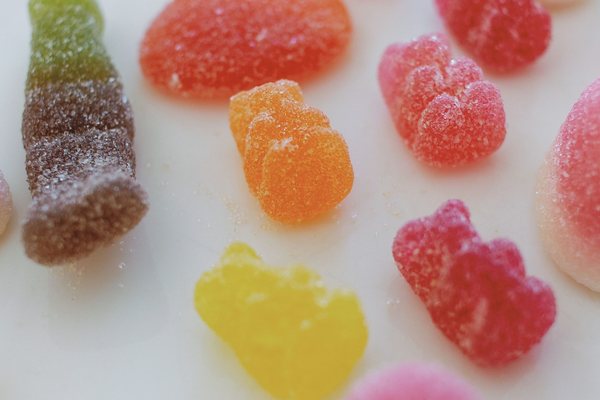
- Candy, chewing gum and confectionery — the most flavour-dense category: fruit gums, hard sweets, mints and bubblegum, where a single sweet can carry several flavouring substances
- Breakfast cereals and baked goods — flavoured cereals, biscuits, cakes and frostings, where the flavour is part of the product's identity
- Ice cream and frozen desserts — vanilla, chocolate, strawberry and the long list of novelty flavours, most of them built from synthetic flavourings rather than the named ingredient
- Savoury snacks and ready meals — crisps, crackers, instant noodles and sauces, where cheese, barbecue, sour cream and chive, and similar flavours are usually flavouring blends
- Flavoured medicines and vitamins — children's syrups, chewable tablets and gummy vitamins, where the flavour is what makes the medicine swallowable
How common are they, exactly? No verifiable market-wide figure was found in this research — no regulator publishes a share of packaged foods containing artificial flavours, and the often-quoted totals do not survive checking. What can be said with a source is the shape of it. The EWG Food Scores database, an advocacy source whose counts reflect its own product database rather than the whole market, returns 35,028 entries containing "Artificial Flavor" in its Baking category alone, 1,923 in Ice Cream & Frozen Yogurt, and 1,263 in Nuts & Seeds. Those are category slices, not a total, and EWG is an advocacy organisation, so the numbers should be read as a lower bound on one database's coverage rather than a market share. The qualitative point is safer and more useful: if a packaged food tastes strongly of a fruit, a spice or a dessert and does not list that ingredient, the taste almost certainly comes from a flavouring substance, and the label will say so in the United States but not in Australia or New Zealand, as the labelling section explains.
Related: Artificial Colours: The Synthetic Dyes Behind the Hyperactivity Debate — the sibling additive whose argument turns on a trial that tested colours, not flavours, and whose regulators reached for bans rather than labels.
The concern: diacetyl, delisted flavourings, allergy — and a study that tested something else
There are four separate concerns about artificial flavours, and they should not be blurred into one. The diacetyl story is about a route of exposure. The 2018 delistings are about a law. The allergy evidence is narrow and mostly about one compound. And the hyperactivity story is about a trial that never tested flavours at all. Each deserves its own paragraph, because each has a different strength.
Diacetyl is the real hazard, and it is a hazard of breathing, not of eating. Diacetyl, or 2,3-butanedione, is the compound that gives butter its flavour. It occurs naturally in butter, beer, wine and roasted coffee, and it is affirmed as generally recognised as safe by the FDA under 21 CFR 184.1278, "with no limitation other than current good manufacturing practice". In May 2000, eight former workers at a microwave-popcorn plant in Jasper, Missouri, were reported with severe bronchiolitis obliterans — an irreversible scarring disease of the small airways — after inhaling diacetyl vapour from butter flavouring. The National Institute for Occupational Safety and Health studied 135 current workers and found 2.6 times the expected rate of chronic cough and shortness of breath, and 3.3 times the expected rate of airway obstruction, rising to 10.8 times in never-smokers, with a strong relation between cumulative diacetyl exposure and obstruction. The mixing rooms where the flavouring was handled measured around 1.14 parts per million of diacetyl. NIOSH concluded there was substantial evidence of a causal relationship between diacetyl exposure and the disease, and in 2016 recommended keeping workplace air below 5 parts per billion as an eight-hour time-weighted average, with a short-term limit of 25 parts per billion for 15 minutes. The Occupational Safety and Health Administration has no enforceable exposure limit for diacetyl at all, and relies on the General Duty Clause instead.
The distinction that matters is the route. The GRAS designation covers eating diacetyl in the tiny quantities that flavour food. It was never an assessment of breathing concentrated diacetyl vapour day after day on a factory floor. A published case series in 2012 described three consumers of butter-flavoured microwave popcorn with biopsy-confirmed bronchiolitis obliterans — the best-known case ate around two bags a day for ten years and habitually inhaled the steam on opening — but the authors themselves noted there had been no published reports of lung disease among popcorn consumers before their series, and this is a case series, not population evidence. Typical popcorn eating has no such signal. And the substitute did not solve the problem either: 2,3-pentanedione, introduced as a diacetyl replacement, shares the reactive alpha-dicarbonyl group and caused similar airway damage in animals, so "diacetyl-free" on a label is not automatically safer to breathe. The lesson of diacetyl is not that flavourings are dangerous to eat. It is that a safety assessment built around eating can miss a hazard that only appears when the same substance is breathed — and that workers, not shoppers, carry that risk.
The 2018 delistings are the strangest episode in flavouring regulation, and they need to be told straight. In October 2018 the FDA removed seven synthetic flavouring substances from the food additives list: benzophenone, ethyl acrylate, eugenyl methyl ether (methyl eugenol), myrcene, pulegone and pyridine, plus styrene, which industry had already abandoned. The petition data showed they caused cancer in laboratory animals at the study doses, and the Delaney Clause — the same 1958 law behind the Red 3 colour ban — bars the FDA from authorising a food additive found to induce cancer in humans or animals. The FDA's own words are the point and should not be cut: it revoked them "only… as a matter of law" and "has concluded that these substances are otherwise safe", because its own exposure assessment found they "do not pose a risk to public health under the conditions of their intended use" — the food uses are in very small amounts. Companies were given 24 months to reformulate. So the delisting is both a genuine removal and a genuine non-finding of risk, at the same time, and any account that presents it as either a cancer scare or a bureaucratic technicality is leaving half the story out. The European Union has its own version of the same pattern: in 2022 and 2024 it removed a further set of flavouring substances from the Union list — including vanillylidene acetone and several thiazolines — because the European Food Safety Authority had been unable to rule out a safety risk on the available data, requested more data, and the operators withdrew their applications instead of supplying it. Those were removals for missing data, not findings of harm.
The allergy evidence is narrow, real, and mostly about one compound. Flavouring substances are not among the major food allergens subject to mandatory allergen labelling in the United States or the European Union, and documented reactions are contact allergy in already-sensitised people, overwhelmingly via skin or fragrance routes rather than food ingestion. Cinnamaldehyde, the cinnamon flavour, is the best-documented case: it can cause allergic contact dermatitis, mainly from fragrances, cosmetics and toothpaste, and it cross-reacts with balsam of Peru, a tree resin used in perfumes and flavourings. In a retrospective study of patients with positive patch tests to balsam of Peru or fragrance mix, 21 of 45 who followed a balsam-reduction diet reported complete or significant improvement of their dermatitis. The foods most often implicated were tomatoes, citrus and spices — which is dietary avoidance evidence in already-sensitised people, not evidence that balsam-related foods cause allergy in the general population. Oral symptoms from cinnamaldehyde in toothpaste — sore mouth, dermatitis of the lips, swelling of the tongue, mouth ulceration — are documented, but generalised dermatitis from ingesting cinnamaldehyde-containing foods or spices is, in the words of the American Contact Dermatitis Society's handout, "quite uncommon". Ethyl vanillin carries a similar cross-reactivity note in its JECFA monograph: people already sensitised to balsam of Peru, benzoin, rosin, benzoic acid, orange peel, cinnamon or cloves have been reported to react. No vanillin-specific allergy rate was verified in this research, and none is claimed here.
And then there is the study that did not test flavours at all — which matters, because it is the study most often quoted against them. The Southampton trial, published in The Lancet in 2007, is the largest trial ever run on food additives and behaviour. It enrolled 153 three-year-olds and 144 eight- and nine-year-olds from the general population, and gave each child, in random order with wash-out weeks, a fruit-juice drink containing the preservative sodium benzoate plus one of two colour mixes, or a placebo. Mix A was tartrazine, ponceau 4R, sunset yellow and carmoisine; Mix B was sunset yellow, carmoisine, quinoline yellow and allura red. It found a small but real increase in hyperactivity scores, with effect sizes of 0.20 in three-year-olds on Mix A, rising to 0.32 in the children who drank more than 85 percent of their drinks, and 0.12 and 0.17 in the eight- and nine-year-olds. No flavouring substance was in either challenge drink. The UK Committee on Toxicity noted the increases were small relative to normal variation between children, were not evident in all children in any group, and were not consistent across age groups or mixtures. The honest position is that there is no credible evidence linking artificial flavourings, as distinct from colours, to hyperactivity — the famous trial did not test flavours, and no flavour-specific hyperactivity trial was found in this research. Any article, label campaign or social post that implies the Southampton study implicates flavours is wrong, and this site will not repeat the error. The MSG question is adjacent and worth one paragraph: monosodium glutamate is a flavour enhancer, not a flavouring, and the FDA considers it generally recognised as safe, while a 1990s review commissioned by the FDA identified short-term, transient, generally mild symptoms — headache, numbness, flushing, tingling, palpitations, drowsiness — in some sensitive individuals consuming 3 grams or more of MSG without food, against a typical serving of less than 0.5 grams. The European Food Safety Authority went further in 2017, setting a group acceptable daily intake of 30 mg per kg of body weight per day and noting that exposure exceeded it for some high-consuming groups, notably children. That is the one regulatory flag on MSG, and it concerns total glutamate exposure at the top end of intake, not typical use.
What regulators say
The United States runs the most permissive system, and the most criticised. The FDA's own list, 21 CFR 172.515, covers hundreds of synthetic flavouring substances, but most flavouring safety determinations in the United States are not made by the FDA at all. They are made by the FEMA Expert Panel, an industry-convened panel that has run since 1960, follows published procedures, publishes its findings in peer-reviewed journals, and has twice re-evaluated its whole list of chemically defined flavour ingredients. The FDA's inventory includes FEMA-evaluated substances while expressly stating that inclusion "does not indicate an FDA approval or evaluation of this use". That arrangement is now under direct challenge: on 10 March 2025 the Secretary of Health and Human Services directed the FDA to explore rulemaking to eliminate the self-affirmation pathway for GRAS determinations — under which a company may conclude an ingredient is generally recognised as safe without notifying the FDA — calling it a "loophole", and trade-press reporting in 2026 put a proposed rule before the FDA with comments due 9 December 2026. The Federal Register text of that proposal was not fetched in this research, so the date and citation are reported as trade-press reporting, not as a verified federal record. What is verified is that no US federal rule has changed the 21 CFR 101.22 definitions or the 172.515 list, and no US state has banned an artificial flavouring substance in this period. California's AB 418, effective 1 January 2027, bans four substances — brominated vegetable oil, potassium bromate, propylparaben and Red 3 — and none of them is a flavouring substance, although brominated vegetable oil's food use was as a stabiliser for flavouring oils in fruit-flavoured drinks, and the FDA has since revoked its authorisation federally as well.
The international safety assessment behind most of this is the JECFA Procedure, and it is worth understanding because it is the reason most flavourings pass. The Joint FAO/WHO Expert Committee on Food Additives evaluates flavouring agents in structural groups, using a stepwise procedure that weighs structure-activity relationships, intake from current uses, metabolism, and toxicity data when needed. Substances are sorted into three Cramer structural classes with thresholds of toxicological concern of 1,800, 540 and 90 micrograms per person per day for Classes I, II and III. Exposures below the threshold are not considered a safety concern. Two intake estimates are used: the Maximised Survey-derived Daily Intake, from production volumes, and the modified Theoretical Added Maximum Daily Intake, from use levels. Most flavourings do not get an individual acceptable daily intake at all — the standard conclusion is "no safety concern at estimated levels of intake as flavouring substances". Individual daily intakes exist mainly for older evaluations, and they are generous relative to real use: vanillin 0 to 10 mg per kg of body weight per day, benzaldehyde 0 to 5 as part of a benzyl-derivative group, menthol 0 to 4, ethyl vanillin 0 to 3 after its intake was cut from 0 to 10 when the old long-term studies were judged not to meet modern standards, and cinnamaldehyde assessed as no safety concern with a no-effect level of 620 mg per kg of body weight per day — more than 10,000 times the European per-capita intake and more than 600 times the US intake.
| Substance | Flavour | Assessment | Intake or limit |
|---|---|---|---|
| Vanillin | Vanilla | JECFA acceptable daily intake 0–10 mg/kg bw/day | Same molecule as in vanilla beans, C₈H₈O₃ |
| Ethyl vanillin | Vanilla, stronger | JECFA acceptable daily intake 0–3 mg/kg bw/day; not genotoxic | Intake cut from 0–10 when old studies failed modern standards |
| Benzaldehyde | Almond, cherry | JECFA group acceptable daily intake 0–5 mg/kg bw/day; no safety concern | US per-capita intake 36,000 µg/day; Europe 9,300 µg/day |
| Cinnamaldehyde | Cinnamon | JECFA no safety concern; no-effect level 620 mg/kg bw/day | Also a known skin sensitiser; cross-reacts with balsam of Peru |
| Menthol | Mint, cooling | JECFA acceptable daily intake 0–4 mg/kg bw/day; no safety concern | Europe 18,000 µg/day; USA 10,000 µg/day |
| Diacetyl | Butter | FDA generally recognised as safe to eat, no limit other than good manufacturing practice | NIOSH workplace limit 5 ppb over 8 hours; OSHA has no limit |
Europe chose the positive list. Regulation (EC) No 1334/2008 governs flavourings, and the Union list established by Commission Implementing Regulation (EU) No 872/2012 authorises substances to the exclusion of all others — a flavouring substance not on the list may not be used. The European Food Safety Authority evaluates them group by group in its FGE programme, and restrictions follow where a safety concern cannot be excluded: Regulation (EU) 2024/238 restricted three phenyl-substituted aldehydes after genotoxicity findings, and the FGE.216 revision adopted in May 2026 set a use limit of 2 mg per kg for 2-phenylcrotonaldehyde. The most dramatic European decision was the smoke flavourings non-renewal. In November 2023 EFSA, re-evaluating the eight smoke flavouring primary products whose renewal had been applied for, could not rule out genotoxicity concerns for any of them — six contained genotoxic substances, and for the other two the data were insufficient to rule concerns out. The Commission refused all renewals on 31 July 2024, and Commission Implementing Regulation (EU) 2024/2067 deleted all ten primary products from the Union list. Foods containing them may continue to be placed on the market until 1 July 2026 for most categories and until 1 July 2029 for cheese, meat, processed fish and fish roe, where the flavouring substitutes for traditional smoking. Traditional smoking over real wood was never affected. The European Union also guards the word "natural" more tightly than any other jurisdiction: under Article 16 of Regulation 1334/2008, a product may only be called a natural strawberry flavouring, for example, if at least 95 percent by weight of its flavouring component comes from strawberries.
Australia and New Zealand took a third path, which is to borrow everybody else's homework. Under Standard 1.3.1 clause 11 of the Food Standards Code, a permitted flavouring substance is one listed in at least one of the FEMA GRAS lists from 1960 to 2013, the Council of Europe's 2000 list, Annex 1 of the EU Union list, or 21 CFR 172.515 — or one obtained from vegetable or animal material by traditional preparation, or a synthetic substance identical to such a substance. There is no separate Australian list of flavouring substances. Flavourings are permitted at good manufacturing practice, with no numeric maximum, and the label term is simply "flavouring" or "flavour" under Standard 1.2.4, with glutamates the one category that must be named specifically. The practical consequence is that an Australian shopper cannot tell from the label whether a flavouring is synthetic, and the safety judgement has been delegated, by design, to the United States, the European Union and FEMA.
The debate
The case that the system needs tightening
Most flavouring safety determinations in the United States are made by a panel convened by the flavour industry itself, and the FDA's own inventory says that inclusion of those substances does not indicate an FDA approval or evaluation. That is not a conspiracy claim — it is the FDA's own disclaimer. The Health Secretary called the self-affirmation pathway a loophole in March 2025, and the proposed rule to close it is the natural consequence. The diacetyl case is the critics' strongest example and it is not a hypothetical: a substance can be generally recognised as safe to eat and still cause irreversible lung disease when inhaled by workers, because the eating assessment never examined the inhalation route — and the regulator with the power to set a workplace limit, OSHA, has never set one. The European Union's smoke-flavouring decision shows the alternative works: when genotoxicity cannot be ruled out, a whole category goes, and the industry adapts. And the perception gap matters too: around half of US consumers say they avoid artificial flavours at least some of the time, and nearly half say they seek out natural flavours. A system that most of its users distrust is a system that has a legitimacy problem, whatever its toxicology says.
The case that the system is working
Flavourings are assessed substance by substance, at intakes measured in micrograms, through a procedure that has run internationally for decades and that the European Union itself adopted as the basis of its own evaluations. The thresholds of toxicological concern are conservative by design, and most flavourings pass with "no safety concern at estimated intake" — not because nobody looked, but because the exposures are tiny and the metabolism is understood. The FEMA Expert Panel is independent, follows published procedures, publishes its findings in peer-reviewed journals, has re-evaluated its list twice, and has removed substances from it. The 2018 delistings prove the system can act: six substances were removed even though the FDA said they were otherwise safe at food-use levels, because the law left no room for them. The diacetyl story, read properly, is a workplace-safety failure, not a food-safety failure — the eating assessment was correct about eating, and the gap was that nobody assessed breathing until workers were already ill. And the replacements are not risk-free either: natural flavourings include the same sensitising compounds, such as cinnamaldehyde from cinnamon bark, and "natural" on a label is a statement about origin, not a safety claim. Tightening the system to satisfy a perception gap is a preference, not a scientific conclusion, and preferences should be labelled as such.
The position this site takes follows the size of the evidence, not either slogan. The strongest case for the critics is about who decides, not what the toxicology says: the United States lets an industry-convened panel do most of the safety determinations without an FDA filing, and the FDA itself says that is not an FDA evaluation. The strongest case for the defenders is about the toxicology itself: each substance is assessed individually at very low intakes, the thresholds are conservative, and the record of actual harm from eating flavourings is thin — one real hazard, diacetyl, and it was a hazard of breathing at work, not of eating. Both stories are true at the same time, because the debate is really about which question matters — whether a system that reaches the right toxicological answers through an industry panel is good enough, or whether the panel itself is the problem. The regulators have answered that question three different ways — an industry panel with a reform proposal pending, a positive list with a precautionary trigger, and a borrowed list with a generic label — and none of them is obviously wrong, because they are answering a governance question with the same evidence.
Who should avoid them
- People sensitised to balsam of Peru or fragrance mix — cinnamaldehyde, the cinnamon flavour, cross-reacts with balsam of Peru, and in one study 21 of 45 sensitised patients improved on a balsam-reduction diet; if a flavoured food or toothpaste triggers mouth or lip symptoms, cinnamaldehyde is the first name to check
- Workers who handle flavourings — the diacetyl risk is an occupational one: anyone who mixes, heats or sprays concentrated flavourings should be working under ventilation and exposure controls, and the NIOSH recommendation of 5 parts per billion over an eight-hour shift is the number to know
- Parents of young children who eat a lot of flavoured food — not because flavours have been shown to affect behaviour, which they have not, but because heavily flavoured foods cluster with the ultra-processed foods that carry the most sugar, salt and additives together; the flavour is a marker of the pattern, not the cause of it
- People who react to a specific flavoured food or medicine — hives, swelling, mouth soreness or asthma worsening after a flavoured product is worth noting and discussing with a clinician, and the flavouring name, where the label gives one, is the detail to bring
- Anyone who simply prefers food flavoured by its ingredients — no safety case can be made against most flavourings, so avoiding them costs nothing nutritionally; the trade-off is a higher price, a shorter shelf life, and a flavour that varies from batch to batch
How to spot them on a label
In the United States, artificial flavour must be declared in the ingredients list — the words are "artificial flavor" or "artificial flavoring" — and where the characterising flavour is artificial, the front of the pack must say so: "artificially flavored strawberry" on a product that contains no strawberry. The same by-name discipline does not apply to the flavouring substances themselves: the label says "artificial flavor", not which substances make it up, because the list in 21 CFR 172.515 runs to hundreds of entries and the manufacturer is not required to name them individually. That is the first trap for the careful reader: the US label tells you the flavour is synthetic, but not what it is made of. A second trap runs the other way: colours made from natural sources may be listed collectively as "artificial color", so "artificial" on a US label does not always mean synthetic — but for flavours, "artificial flavor" does mean the flavouring was not derived from a natural source.
- "Artificial flavor" in the ingredients list — the US declaration: the flavouring was not derived from a natural source; the specific substances are not named
- "Artificially flavored" on the front of the pack — the characterising flavour is artificial, for example "artificially flavored strawberry" on a product with no strawberry in it
- "Natural flavor" in the ingredients list — the flavouring was derived from a natural source, but the label does not say which one, and the safety assessment is the same either way
- "Flavouring" or "flavour" — the Australian and New Zealand form: no distinction is made between synthetic and natural flavourings, so the label alone does not tell you
- "Natural strawberry flavouring" in the European Union — at least 95 percent by weight of the flavouring component comes from strawberries; below that, the source may be named only with a statement that other natural flavourings were added
- "Smoke flavouring" or "smoked" in the European Union — smoke flavourings made from the deleted primary products are being phased out, with sell-through to 1 July 2026 for most foods; traditionally smoked foods are unaffected
- Check the products that carry them most — soft drinks, candy and gum, flavoured cereals, ice cream, savoury snacks and flavoured medicines first
Alternatives: what replaces them
The straightforward replacement is a flavouring derived from the real ingredient, and the honest position is that the replacement is usually about taste and transparency rather than a proven safety gain. Vanilla extract instead of synthetic vanillin; real fruit, cocoa or spices instead of a flavouring blend; a natural flavouring instead of a synthetic one. The safety assessment is the same either way — each substance is evaluated individually through the JECFA Procedure, whether it was extracted or synthesised — and the natural version is not risk-free: cinnamaldehyde from cinnamon bark is the same sensitising compound as synthetic cinnamaldehyde, and it cross-reacts with balsam of Peru either way. The European Union's 95 percent rule is the clearest statement of what "natural" actually guarantees on a label: origin, not safety.
The more useful swap is often the whole food, not the flavouring. A yoghurt flavoured with real strawberries tastes of strawberries and contains strawberries; a yoghurt flavoured with a synthetic strawberry blend tastes of strawberries and contains none. The difference is not the safety of the flavouring — it is that the first product's flavour is evidence of its ingredients and the second product's flavour is a substitute for them. The same logic applies to the smoke-flavouring phase-out: a traditionally smoked cheese is smoked over wood, and a cheese flavoured with a smoke flavouring primary product is not, and the European Union's decision to delete the primary products pushes manufacturers toward the first. A product flavoured with the real ingredient is a reasonable swap for one flavoured synthetically; a product flavoured with a "natural flavouring" that is itself a blend of extracted compounds is a swap of one labelling category for another, and the label should say which.
Related: Added Sugars: The Sweetener Hiding in Plain Sight — and Why the Numbers Disagree — the numbers behind the sugar limits, and why Australia's label only shows total sugars.
Frequently asked questions
What are artificial flavours?
Artificial flavours are synthetic flavouring substances — defined chemical compounds made or isolated in a laboratory — added to food to give it a taste. Under US law, the label turns on origin, not chemistry: a flavouring is artificial if it was not derived from a spice, fruit, vegetable, herb, meat, dairy product or similar natural source. Many synthetic flavourings are chemically identical to molecules found in nature; vanillin is the same molecule, C₈H₈O₃, whether it comes from a vanilla bean or a synthesis plant.
Are artificial flavours the same as natural flavours?
Chemically, often yes. The same molecule can be labelled natural or artificial depending on how it was obtained, and the safety assessment is the same either way: each substance is evaluated individually through the JECFA Procedure, using thresholds of toxicological concern and intake estimates. The European Union guards the word natural more tightly than the United States — a product may only be called a natural strawberry flavouring if at least 95 percent by weight of its flavouring component comes from strawberries.
Did the Southampton study test artificial flavours?
No. The 2007 Southampton trial, published in The Lancet, tested mixtures of artificial food colours plus the preservative sodium benzoate — no flavouring substance was in either challenge drink. It found a small increase in hyperactivity scores in children, with effect sizes of 0.12 to 0.32. No flavour-specific hyperactivity trial was found in this research, so the Southampton findings should not be used as evidence about flavours.
Is diacetyl safe to eat?
As a food ingredient, yes, under current regulation: diacetyl is affirmed as generally recognised as safe by the US FDA, with no limit other than good manufacturing practice, and it occurs naturally in butter, beer and wine. The lung disease known as popcorn lung is an inhalation hazard, not an eating hazard: workers who breathed concentrated diacetyl vapour day after day developed irreversible scarring of the small airways. The US National Institute for Occupational Safety and Health recommends keeping workplace air below 5 parts per billion over an eight-hour shift, and the Occupational Safety and Health Administration has no enforceable exposure limit for diacetyl.
Why did the European Union ban smoke flavourings?
Because the European Food Safety Authority, re-evaluating the eight smoke flavouring primary products whose renewal had been applied for, could not rule out genotoxicity concerns for any of them in November 2023. The European Commission refused all renewals on 31 July 2024 and deleted the ten primary products from the Union list. Foods containing them may continue to be placed on the market until 1 July 2026 for most categories and 1 July 2029 for cheese, meat, processed fish and fish roe. Traditional smoking over real wood was never affected.
How can I tell if a food contains artificial flavours?
In the United States, look for the words artificial flavor in the ingredients list, and for artificially flavored on the front of the pack where the characterising flavour is artificial — for example artificially flavored strawberry. In the European Union there is no artificial flavour term on the label at all; the word natural is tightly controlled, and a flavouring that is not natural is simply listed as flavouring. In Australia and New Zealand the label reads flavouring or flavour, whatever the substance's origin, so the label alone does not tell you whether a flavouring is synthetic.
Checked against 21 CFR 101.22 and 172.515, the JECFA Procedure and TTC thresholds, the Kreiss 2002 diacetyl study, Regulation (EC) No 1334/2008, the 2024 smoke-flavouring non-renewal and the McCann 2007 trial · Last updated 2026-11-11 · How we assess ingredients
Sources (45)
- US Code of Federal Regulations, Title 21, §101.22 (eCFR via Cornell LII): the "artificial flavor" definition in (a)(1) and the "natural flavor" definition in (a)(3); labelling in (i), including "artificially flavored" front-of-pack declaration; definitions unchanged since 1977
- US Code of Federal Regulations, Title 21, §172.515 (govinfo, CFR 4–1–23 Edition): "Synthetic flavoring substances and adjuvants" — hundreds of named substances, "minimum quantity required" plus good manufacturing practice, last amended 8 March 2007; diacetyl is not listed in this section
- US Food and Drug Administration — "FDA Removes 7 Synthetic Flavoring Substances from Food Additives List" (5 October 2018): benzophenone, ethyl acrylate, eugenyl methyl ether (methyl eugenol), myrcene, pulegone and pyridine delisted under the Delaney Clause, styrene delisted as abandoned; FDA stated the substances are "otherwise safe" and "do not pose a risk to public health under the conditions of their intended use"; 24 months to reformulate; "Each of these synthetic substances has a natural counterpart in food"
- Flavor and Extract Manufacturers Association — "What We Do": the FEMA GRAS list carries over 2,800 entries; the Expert Panel is independent and the programme is "the longest-running and most successful industry GRAS program"
- Flavor and Extract Manufacturers Association — "The FEMA GRAS Status of Flavors": roughly 1,000 flavouring substances under FDA regulation against approximately 3,000 via the FEMA GRAS programme
- Institute of Food Technologists — "GRAS 29 / GRAS 30 / GRAS 31 Flavoring Substances": programme began 1960, published procedures (Smith et al. 2005; Cohen et al. 2018), two full re-evaluations of chemically defined flavour ingredients, re-evaluation of 250+ natural flavour complexes since 2015, GRAS status removed for the uses of two substances in GRAS 31
- Flavor and Extract Manufacturers Association — "GRAS Flavoring Substances 33" (Interim, December 2025): Expert Panel evaluations, TTC approach plus metabolism and toxicity review, natural flavour complex re-evaluation programme
- US Food and Drug Administration — "Substances Added to Food" inventory: the inventory includes flavouring substances evaluated by FEMA and JECFA and warns that "Inclusion in this inventory of information from non-FDA entities does not indicate an FDA approval or evaluation of this use"; diacetyl entry (CAS 431-03-8; 21 CFR 184.1278; FEMA 2370; JECFA 408)
- European Food Safety Authority, FAF Panel — Flavouring Group Evaluation 70, Revision 1 (EFSA Journal 2019;17:5749): the JECFA Procedure, Cramer-class thresholds of toxicological concern of 1,800, 540 and 90 µg/person/day for Classes I, II and III, MSDI and mTAMDI exposure estimates, and the "no safety concern at estimated levels of intake" conclusion
- European Food Safety Authority, FAF Panel — Flavouring Group Evaluation 87, Revision 3 (EFSA Journal 2026;24:e9853): most flavourings receive "no safety concern at estimated levels of intake" rather than an individual acceptable daily intake
- Joint FAO/WHO Expert Committee on Food Additives — "Vanillin" (WHO Food Additives Series 44A): 4-hydroxy-3-methoxybenzaldehyde, C₈H₈O₃; acceptable daily intake 0–10 mg/kg body weight per day from a 2-year rat study with no adverse effects at 2% of diet
- Joint FAO/WHO Expert Committee on Food Additives — "Ethyl vanillin" (WHO Food Additives Series 35): acceptable daily intake cut to 0–3 mg/kg body weight per day after a temporary 0–5, because the old long-term studies did not meet modern standards; not genotoxic; cross-reactivity note for people sensitised to balsam of Peru, benzoin, rosin, benzoic acid, orange peel, cinnamon and cloves
- Joint FAO/WHO Expert Committee on Food Additives — "Benzyl derivatives" (WHO Food Additives Series 48): benzaldehyde group acceptable daily intake 0–5 mg/kg body weight per day, "no safety concern" at current intakes; per-capita intakes Europe 9,300 µg/day, USA 36,000 µg/day
- Joint FAO/WHO Expert Committee on Food Additives — "Cinnamyl alcohol and related substances" (WHO Food Additives Series 46): cinnamaldehyde "no safety concern", no-effect level 620 mg/kg body weight per day, more than 10,000 times the European per-capita intake and more than 600 times the US intake; cinnamyl anthranilate "should not be used as a food additive"
- Joint FAO/WHO Expert Committee on Food Additives — "Menthol" (WHO Food Additives Series 42): acceptable daily intake 0–4 mg/kg body weight per day, "no safety concern at current levels of intake"; per-capita intake Europe 18,000 µg/day, USA 10,000 µg/day
- Kreiss K, Gomaa A, Kullman G, et al. (2002). Clinical bronchiolitis obliterans in workers at a microwave-popcorn plant. New England Journal of Medicine 347(5):330–338: eight former workers reported May 2000; 135 current workers studied, 2.6 times expected chronic cough and shortness of breath, 3.3 times expected airway obstruction, 10.8 times in never-smokers; strong relation between cumulative diacetyl exposure and obstruction
- US National Institute for Occupational Safety and Health — "Criteria for a Recommended Standard: Occupational Exposure to Diacetyl and 2,3-Pentanedione", DHHS Publication No. 2016-111 (October 2016): recommended exposure limit 5 parts per billion as an 8-hour time-weighted average, short-term exposure limit 25 parts per billion for 15 minutes; 2,3-pentanedione 9.3 parts per billion and 31 parts per billion
- US Occupational Safety and Health Administration — "Flavorings-Related Lung Disease — Diacetyl and 2,3-Pentandione": "substantial evidence of a causal relationship between diacetyl exposure and development of this disease"; 2,3-pentanedione shares the alpha-dicarbonyl group and caused similar airway damage in animals; acetoin "considerably less hazardous than diacetyl"
- US Occupational Safety and Health Administration — Safety and Health Information Bulletin SHIB 10-14-2010, "Occupational Exposure to Flavoring Substances: Health Effects and Hazard Control": no permissible exposure limit for diacetyl or acetoin; reliance on the General Duty Clause, OSH Act § 5(a)(1); guidance, not a standard
- Egilman DS, Schilling JH (2012). Bronchiolitis obliterans and consumer exposure to butter-flavored microwave popcorn: a case series. International Journal of Occupational and Environmental Health 18(1):29–35: three consumers with biopsy-confirmed bronchiolitis obliterans; "there are no published reports of lung disease among BFMP consumers" before this series; best-known case ate around two bags a day for ten years and habitually inhaled the steam on opening
- Regulation (EC) No 1334/2008 of 16 December 2008 (consolidated text): Article 3 definitions — flavourings, flavouring substances, natural flavouring substances, flavouring preparations; no "artificial flavour" category in EU law; Article 16 "natural" rules including the 95% by weight source rule
- Commission Implementing Regulation (EU) No 872/2012 of 1 October 2012: adoption of the Union list of flavouring substances, authorised to the exclusion of all others
- Commission Implementing Regulation (EU) 2024/2067 of 31 July 2024: deletion of smoke flavouring primary products SF-001 to SF-010 from the Union list; transition periods to 1 July 2026 for most food categories and 1 July 2029 for cheese, meat, processed fish and fish roe
- European Food Safety Authority — "Smoke flavourings: Q&A with Wim Mennes, EFSA's working group chair on flavourings" (16 November 2023): EFSA could not rule out genotoxicity concerns for any of the eight assessed primary products; six contain genotoxic substances; no safe level can be defined for genotoxic substances
- German Federal Institute for Risk Assessment — Communication 58/2023 (16 November 2023): summary of the EFSA smoke-flavouring re-evaluation
- Commission Regulation (EU) 2024/238 of 15 January 2024: restrictions on 2-phenylcrotonaldehyde (FL 05.062), 5-methyl-2-phenylhex-2-enal (FL 05.099) and 4-methyl-2-phenylpent-2-enal (FL 05.100) following the FGE.216 evaluation
- Commission Regulation (EU) 2022/1466: removal of flavouring substances from the Union list, including 1-(4-methoxyphenyl)pent-1-en-3-one, vanillylidene acetone, 1-(4-methoxyphenyl)-4-methylpent-1-en-3-one, 4-(2,3,6-trimethylphenyl)but-3-en-2-one, 6-methyl-3-hepten-2-one and 5,6-dihydro-3,6-dimethyl-benzofuran-2(4H)-one, after applicants withdrew rather than supply safety data
- Commission Regulation (EU) 2024/234: removal of a further eight flavouring substances from the Union list, including 2-phenylpent-2-enal and five thiazolines, after applicants withdrew rather than supply safety data
- Australia New Zealand Food Standards Code — Standard 1.3.1, clause 11: permitted flavouring substances are those listed in the FEMA GRAS lists 1960–2013 (edition 26), the Council of Europe 2000 list, Annex 1 of Regulation (EU) No 872/2012, or 21 CFR § 172.515; Standard 1.1.2 definition of "flavouring substance"
- Australia New Zealand Food Standards Code — Standard 1.2.4, clause 8: a flavouring must be declared as "flavouring" or "flavour", or by a more specific name; there is no "artificial flavouring" label term; glutamates must be specifically declared
- McCann D, Barrett A, Cooper A, et al. (2007). Food additives and hyperactive behaviour in 3-year-old and 8/9-year-old children in the community: a randomised, double-blinded, placebo-controlled trial. The Lancet 370(9598):1560–1567: 153 three-year-olds and 144 eight/nine-year-olds; Mix A and Mix B were artificial food colours plus sodium benzoate — no flavouring substance was in either challenge drink; effect sizes 0.20 (3-year-olds, Mix A), 0.32 (over 85% subgroup), 0.12 and 0.17 (8/9-year-olds at 85% or more)
- UK Committee on Toxicity — statement on the Southampton study: the increases in mean hyperactivity were "small relative to normal inter-individual variation", changes "were not evident in all children in any one group and were not consistent across age groups or across the different mixtures used"
- Bateman B, et al. (2008). Food additives and hyperactivity. BMJ 336:1144: EFSA's 2008 re-analysis of the Southampton study provided "limited evidence" of a small effect on activity and attention; wider review found artificial food colours had an overall effect size of 0.283 on hyperactivity scores
- Altmeyers Encyclopedia (Department of Allergology) — "Cinnamic aldehyde": allergic contact dermatitis from fragrances, cosmetics and toothpaste; "Patients with a cinnamic aldehyde allergy often react to Peru balsam at the same time"
- Salam TN, Fowler JF Jr (2001). Balsam-related systemic contact dermatitis. Journal of the American Academy of Dermatology 45:377–381: 21 of 45 patients with positive patch tests to balsam of Peru or fragrance mix reported complete or significant improvement on a balsam-reduction diet; commonly implicated foods included tomatoes, citrus and spices
- SkinSafe / American Contact Dermatitis Society — "Cinnamic Aldehyde" handout: oral symptoms from cinnamaldehyde in toothpaste (sore mouth, lip dermatitis, tongue swelling, mouth ulceration); generalised dermatitis from ingestion of cinnamaldehyde-containing foods or spices is "quite uncommon"
- International Food Information Council — 2021 survey "From 'Chemical-Sounding' to 'Clean': Consumer Perspectives on Food Ingredients" (n = 1,054 US adults): 48% seek out natural flavours at least some of the time; about 1 in 10 seek out artificial flavours, colours, sweeteners or preservatives; roughly half avoid each of them at least some of the time
- International Food Information Council — 2016 Food & Health Survey (n = 1,003 US adults): 45% said they were trying to limit or avoid artificial flavours, against 61% for added sugars and 50% for preservatives
- Environmental Working Group — EWG Food Scores database (ADVOCACY SOURCE — EWG is an advocacy organisation; its counts reflect its own product database, not the whole market): 35,028 entries containing "Artificial Flavor" in the Baking category alone; 1,923 in Ice Cream & Frozen Yogurt; 1,263 in Nuts & Seeds
- US Food and Drug Administration — "Questions and Answers on Monosodium glutamate (MSG)" (page updated 17 July 2026): MSG is generally recognised as safe; must be declared as "monosodium glutamate" and cannot be listed as "spices and flavoring"; average adult intake about 13 grams of glutamate per day from protein against around 0.55 grams per day of added MSG; FASEB review identified mild symptoms in some sensitive individuals consuming 3 grams or more without food, against a typical serving of less than 0.5 grams
- European Food Safety Authority, ANS Panel — "Re-evaluation of glutamic acid (E 620), sodium glutamate (E 621), potassium glutamate (E 622), calcium glutamate (E 623), ammonium glutamate (E 624) and magnesium glutamate (E 625) as food additives" (EFSA Journal 2017;15(7):4910): group acceptable daily intake of 30 mg/kg body weight per day; exposure exceeded the intake for some population groups, notably high-consuming children
- JD Supra — California Food Safety Act (AB 418): signed 7 October 2023, effective 1 January 2027; bans brominated vegetable oil, potassium bromate, propylparaben and FD&C Red No. 3; no flavouring substance is banned; brominated vegetable oil was used as a stabiliser for flavouring oils in fruit-flavoured beverages
- Legal 500 — "GRAS self-affirmation for food ingredients — to be or not to be" (21 March 2025): on 10 March 2025 the Secretary of Health and Human Services directed the FDA to explore rulemaking to eliminate the self-affirmation pathway for GRAS determinations
- JD Supra — "FDA Proposes Rule to Eliminate Self-Affirmed GRAS" (trade-press reporting, 2026): proposed rule to amend 21 CFR Parts 170 and 570 to require notification of GRAS determinations, comments due 9 December 2026; Federal Register text not fetched in this research
- Lexology — state food-additive legislation survey (2026): Texas SB 25 (signed 22 June 2025) warning-label model, Section 9 preliminarily enjoined 11 February 2026; West Virginia HB 2354 food ban from 1 January 2028 covering seven dyes plus BHA and propylparaben; no flavouring substance is listed in either law