In this article
BHA and BHT are synthetic antioxidants that do one job very well: they stop fats and oils going rancid, which is why they have been in breakfast cereals, potato snacks, chewing gum and lipsticks for decades. They are almost always discussed as a pair, but their safety records are not the same. BHA is the only common food antioxidant that carries a formal possible-carcinogen classification — the International Agency for Research on Cancer puts it in Group 2B, the US National Toxicology Program lists it as "reasonably anticipated to be a human carcinogen", and California lists it under Proposition 65. BHT has none of those listings. Yet regulators in the US, the EU and Australia all still permit both, at capped levels, because the tumours behind BHA's classification appeared in rodents fed enormous doses, in an organ humans do not have, through a mechanism that does not damage DNA. Europe's food safety authority re-examined both chemicals and raised their acceptable daily intakes, finding typical diets unlikely to exceed them. The story is not settled, though: the US FDA launched a formal re-assessment of BHA in February 2026, with BHT to follow, and a West Virginia ban on BHA is currently blocked by a court injunction. If you eat a lot of processed fatty foods, you are the person this article is for — and the practical answer is the same whichever side of the debate you land on: know the label names, and know that vitamin E and rosemary extract now do the same job in many products.
What BHA and BHT are
BHA — butylated hydroxyanisole — and BHT — butylated hydroxytoluene — are synthetic phenolic antioxidants, and the word "phenolic" is doing real work here: both molecules are built around a phenol ring with bulky tert-butyl groups attached, a shape that lets them mop up the free radicals that start the chain reaction of fat oxidation. Food-grade BHA is a mixture of more than 85% 3-BHA and less than 15% 2-BHA; food-grade BHT is at least 99% pure. Both are white, waxy solids, insoluble in water but soluble in fats and oils, which is exactly the combination a fat preservative needs: they dissolve into the fat they are protecting and stay there. On food labels they appear as E320 and E321, and in cosmetics under the INCI names BHA and BHT.
The two are usually discussed as a pair because they do the same job, are often used together, and share a regulatory history — but they are not the same chemical, and their safety records diverge sharply, which is the thread this article follows. BHA has been added to edible fats and fat-containing foods since 1947, making it one of the oldest synthetic food additives still in use. BHT followed in the 1950s. Both are also used well outside food: in cosmetics and personal care products, in food packaging (where BHA stabilises petroleum-wax coatings), in animal feed, and in rubber and petroleum products. When you see BHA or BHT on a label, you are looking at an industrial antioxidant that happens to have a food use, not a food ingredient that happens to have industrial uses — and that history matters to how people feel about eating it, whatever the toxicology says.
Tip: Do not confuse BHA and BHT with the skincare acids that share similar initials. Cosmetic BHA (beta hydroxy acid, usually salicylic acid) is an exfoliant and has nothing to do with butylated hydroxyanisole; the two are different chemicals that happen to share an abbreviation. On a cosmetics ingredient list, "BHA" means the antioxidant butylated hydroxyanisole, while "salicylic acid" is the exfoliant — the context of the product tells you which world you are in.
Why they are used in food and cosmetics
Fats go bad, and they go bad in a specific way. Oxygen attacks the unsaturated fatty acids in oils and fats, producing free radicals that attack neighbouring molecules in a chain reaction; the result is rancidity — stale, paint-like smells, off flavours, and a loss of nutritional quality. An antioxidant interrupts that chain by donating a hydrogen atom to the free radical, stopping the reaction before it spreads. BHA and BHT are good at this, cheap, stable at cooking temperatures, and effective at very low concentrations — a combination that made them the default choice for mid-century food manufacturing, and a hard habit for the industry to break.
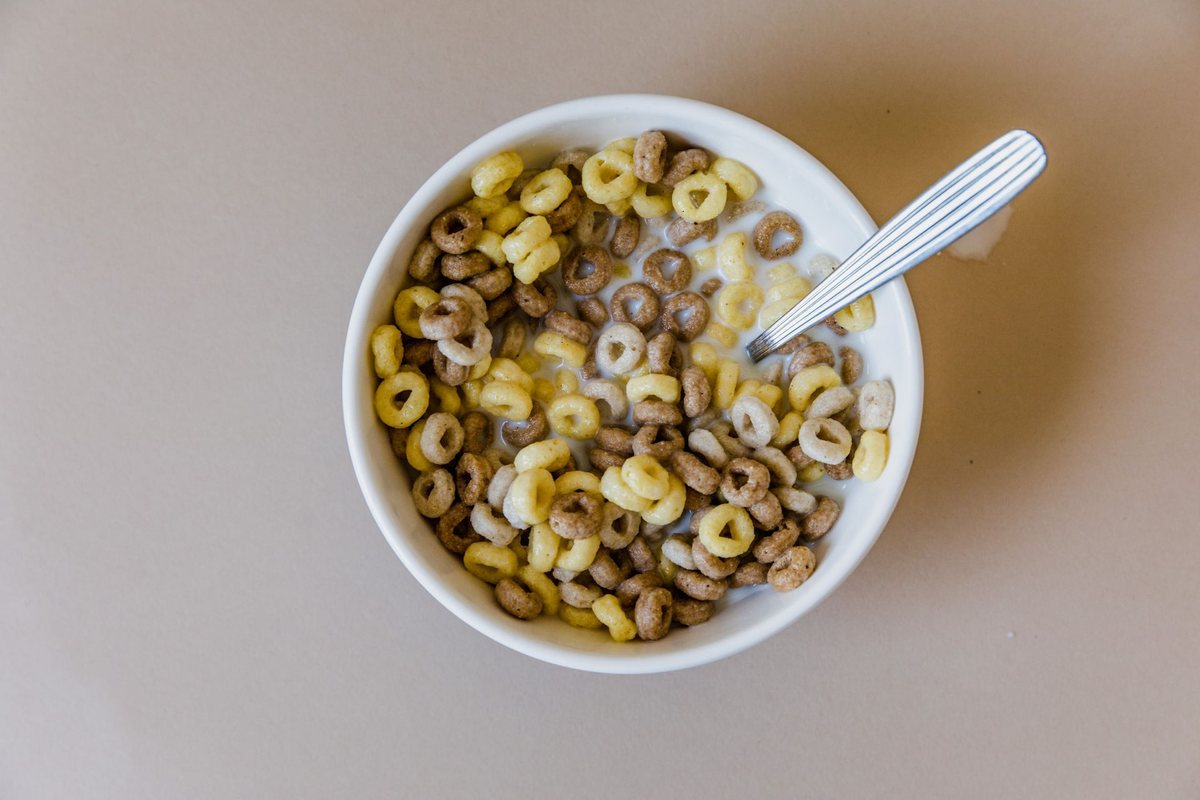
In food, that job is mostly about shelf life and logistics. A breakfast cereal, a packet of crisps, or a box of biscuits may sit in a warehouse, a truck, and a pantry for months; without an antioxidant, the fats in them would oxidise long before the best-before date. The same logic applies to the fats in processed meats, dry mixes, dehydrated potato products, and chewing gum. In cosmetics, the job is the same but the stakes are cosmetic: BHA and BHT stop the oils in a lipstick, cream, or lotion oxidising, which keeps the product's odour, colour, and texture stable over its shelf life. The US FDA's own 2026 announcement lists the foods where BHA turns up today — frozen meals, breakfast cereals, cookies, candy, ice cream, and meat products — and notes that while packaged-food label data show BHA use has declined in recent years, it remains present in many products, including ones marketed to children.
The reason manufacturers keep using them, rather than switching wholesale to the natural alternatives, is partly performance and partly inertia: the synthetic pair is predictable, works across a wide range of fats and temperatures, and costs little. The alternatives — vitamin E, rosemary extract, ascorbyl palmitate — work, and are already used in many products, but they behave differently in different fats, can cost more, and can bring their own flavours or colours. That trade-off is the commercial side of the story; the safety side is below.
Where you will find them
- Breakfast cereals and dry mixes — the classic BHA/BHT food: the US FDA caps both at 50 parts per million in dry breakfast cereals, and BHA at 90 parts per million in dry mixes for beverages and desserts
- Potato products — dehydrated potato shreds and potato flakes (50 parts per million for both), potato granules (10 parts per million), sweet potato flakes (50 parts per million)
- Chewing gum, baked goods, sweets, and snack foods — including crisps, crackers, and biscuits, where the fats would otherwise stale quickly on the shelf
- Fats, oils, and emulsion stabilisers for shortenings — both chemicals are capped at 200 parts per million in emulsion stabilisers for shortenings in the US; in Australia, the Food Standards Code caps BHA at 200 milligrams per kilogram in edible oils and BHT at 100
- Processed meats, sausage, and poultry products — where the fat content needs protection through processing and storage
- Active dry yeast and dry diced glazed fruit — niche uses where BHA alone is permitted at up to 1,000 and 32 parts per million respectively
- Cosmetics, above all lipstick — a 1981 FDA survey found BHA in 3,217 of 21,279 cosmetic formulations, most often in lipstick (1,256 of them); BHT is used in cosmetics at concentrations from 0.0002% to 0.8%
- Food packaging and animal feed — BHA stabilises petroleum-wax coatings on packaging and is permitted in packaging materials with a limit of 0.005% addition to food; both chemicals are used in animal feed
The concern: cancer, hormones, and the forestomach problem
The concern with BHA starts with cancer, and it starts in an organ you do not have. In long-term feeding studies, dietary BHA caused benign and malignant tumours of the forestomach — papillomas and squamous-cell carcinomas — in rats of both sexes and in male mice and hamsters. The forestomach is a storage pouch in front of the glandular stomach in rodents; humans have no equivalent structure, and neither do guinea pigs or dogs, which did not develop the tumours. The lesions appeared at high doses — proliferative changes at 2% of the diet in a 13-week study, with a no-effect level of 0.25% — and they largely regressed when BHA was withdrawn from the diet. The mechanism, as reviewers describe it, is not direct DNA damage: BHA is not DNA-reactive, and nearly all genotoxicity studies are negative. Instead, at high doses, BHA irritates the forestomach lining, driving cell proliferation, and the tumours arise from that chronic irritation and proliferation — a mechanism that is mostly reversible and, as the IARC itself later judged, not relevant to humans.
The cancer classifications are real, and they have never been withdrawn. The International Agency for Research on Cancer classified BHA as Group 2B — "possibly carcinogenic to humans" — in 1986, on the basis of sufficient evidence in experimental animals and inadequate evidence in humans. The IARC later determined that the forestomach mechanism is not relevant to humans, but the classification has not been revoked. The US National Toxicology Program lists BHA as "reasonably anticipated to be a human carcinogen", first listed in 1991 and still listed in the current edition — a listing the FDA's own February 2026 announcement quotes as part of its reason for reopening the file. California has listed BHA under Proposition 65 as a carcinogen since 1 January 1990, with a No Significant Risk Level of 4,000 micrograms per day (4 milligrams per day). Human evidence, meanwhile, is thin: the US National Toxicology Program's profile states that the available epidemiological studies are inadequate to evaluate the relationship between human cancer and BHA exposure specifically, and the one cohort study identified — Botterweck and colleagues' 2000 Netherlands Cohort Study — found no increase in stomach-cancer risk at typical levels of dietary BHA intake.
BHT's record is different, and in some ways more complicated. IARC places BHT in Group 3 — not classifiable as to its carcinogenicity to humans — on the basis of inadequate evidence in humans and inadequate or limited evidence in animals, and BHT is not on the National Toxicology Program's list or on Proposition 65. But BHT's animal story is not clean either: Europe's food safety authority found hepatocellular carcinomas in male rats, with a benchmark dose lower bound of 247 milligrams per kilogram of body weight per day, and concluded that any carcinogenicity would be thresholded — meaning there is a dose below which it does not occur — and that BHT is not a genotoxicity concern. High-dose animal studies have also linked BHT to liver toxicity and to the promotion of tumours in the liver, bladder, and lungs, and to developmental effects and thyroid changes — the thyroid, reproduction, and blood effects in rats are what set the older, lower acceptable daily intake. Curiously, BHT has also shown the opposite effect in some studies: at high doses above 3,000 parts per million, it inhibited the carcinogenicity of a variety of carcinogens in mice and rats. That contradiction — tumour promoter in one design, tumour inhibitor in another — is a fair summary of where BHT's evidence sits: real signals, no settled direction.
The endocrine question is unresolved for both. The European Commission's 2019 call for data on cosmetic ingredients with potential endocrine-disrupting properties put BHT in its higher-priority Group A and BHA in Group B. Europe's scientific committee then assessed both expressly considering endocrine concerns and deemed each safe at the stated cosmetic concentrations; the UK's advisory group found no clear evidence of endocrine activity for BHT, judging its thyroid effects likely secondary to liver toxicity. The primary literature is mixed: cell studies have reported both estrogenic and anti-estrogenic activity for BHA, and testicular effects in mouse testis cells, while other assays find no effect. Europe's food safety authority noted endocrine data gaps for BHA in 2011. None of this amounts to a finding that either chemical is an endocrine disruptor at the levels people are exposed to — and none of it amounts to a clean bill of health either. Both chemicals are detectable in human tissues: BHA has been found in breast milk, placenta, and adipose tissue, and BHT in cord blood, breast milk, serum, urine, and adipose tissue, which is why exposure, not just hazard, keeps coming up in the debate.
What regulators say
The United States permits both, within limits, and is now re-examining one of them. The FDA listed BHA as Generally Recognized as Safe in 1958 and approved it as a food additive in 1961; BHT was approved for food in 1954 and deemed Generally Recognized as Safe in 1959. The general ceiling is 0.02% of the fat or oil content of the food, with specific caps in the Code of Federal Regulations — 50 parts per million for both chemicals in dry breakfast cereals, 200 parts per million in emulsion stabilisers for shortenings, and, for BHA alone, up to 1,000 parts per million in active dry yeast. On 10 February 2026 the FDA launched a comprehensive re-assessment of BHA, considering whether it is safe under its current conditions of use in food and as a food-contact substance, based on the latest scientific information, with a request for information and a public docket; the FDA's commissioner said that once the BHA assessment is complete, similar assessments are expected for BHT and for azodicarbonamide. As of writing, that review has no outcome — BHA's legal status in the US has not changed.
Europe's position rests on two re-evaluations that both raised the safe intake, not lowered it. The European Food Safety Authority re-evaluated BHA in 2011 and set an acceptable daily intake of 1.0 milligrams per kilogram of body weight per day — double the 0.5 set by the Joint FAO/WHO Expert Committee on Food Additives and the EU's Scientific Committee on Food in 1989 — based on a no-effect level of 100 milligrams per kilogram per day in rats divided by an uncertainty factor of 100, and concluded that refined intake estimates for children and adults were unlikely to exceed it. It also concluded that BHA does not raise concern for genotoxicity, and that forestomach hyperplasia in rodents "may no longer be relevant for human risk assessment". For BHT, the 2012 re-evaluation set an acceptable daily intake of 0.25 milligrams per kilogram of body weight per day — five times the 0.05 set in 1987 — based on a no-effect level of 25 milligrams per kilogram per day in two-generation rat studies, again with no genotoxicity concern and thresholded carcinogenicity. Exposure is where the two diverge: adults were unlikely to exceed the BHT intake at the mean or the 95th percentile (worst-case estimates of 0.01–0.03 milligrams per kilogram per day at the mean, 0.03–0.17 at the 95th percentile), but children exceeded it at the 95th percentile in Finland and the Netherlands. For context, the older JECFA values were 0–0.5 for BHA (1989) and 0–0.3 for BHT (1996). European food law authorises both as additives under Regulation (EC) No 1333/2008, with category-by-category maxima set at the lowest level necessary, taking the acceptable daily intake and probable daily intake into account.
Australia and New Zealand set their own numbers in Schedule 15 of the Food Standards Code. The maximum permitted levels include BHA at 200 milligrams per kilogram in preparations of food additives and in edible oils, 1,000 milligrams per kilogram in flavourings, and 100 milligrams per kilogram in dried milk; BHT at 100 milligrams per kilogram in edible oils. The natural alternatives sit alongside them in the same Schedule: tocopherols and ascorbyl palmitate are permitted at good manufacturing practice levels — that is, only as much as needed for the technological purpose — and rosemary extract is capped at 50 milligrams per kilogram in edible oils and 75 in margarine. In cosmetics, the EU has already acted on BHT: following the scientific committee's 2021 opinion, Commission Regulation (EU) 2022/2195 restricts BHT to 0.001% in mouthwash, 0.1% in toothpaste, and 0.8% in other leave-on and rinse-off products. BHA has no legal cosmetics limit yet. In March 2026 the scientific committee advised that BHA is safe up to 0.07% in leave-on and rinse-off skin products, for dermal use only — not in oral-care products or products that could expose the lungs by inhalation — and a draft amendment would codify that figure. Until it is enacted, 0.07% is scientific advice, not law.
Two recent American developments show how unsettled the politics are. California's 2023 food-additive law, AB 418, is widely misreported as a BHA/BHT ban: it banned brominated vegetable oil, potassium bromate, propylparaben, and Red Dye 3, effective 1 January 2027, and did not cover BHA or BHT at all. West Virginia went further: HB 2354, signed in March 2025, bans BHA (along with propylparaben and seven dyes) in food sold in the state from 1 January 2028, with a school-meals ban from August 2025. But on 23 December 2025 a federal judge granted a preliminary injunction blocking enforcement of the 2028 sale-ban provisions, on the grounds that they were unconstitutionally vague; the school-meals provisions are unaffected. So the only US state ban on BHA currently exists on paper and cannot be enforced — a fact worth knowing before any article tells you BHA has been banned.
The debate
The case for treating BHA and BHT as a special problem
The case starts with a fact no other common food antioxidant shares: BHA carries a formal possible-carcinogen classification from the world's cancer agency, a "reasonably anticipated" listing from the US National Toxicology Program, and a Proposition 65 listing with a published safe-harbour level — three independent systems, over four decades, all pointing the same way. The animal evidence is not a borderline result: forestomach tumours appeared in rats of both sexes and in male mice and hamsters, and the "humans have no forestomach" answer is less comforting than it sounds, because BHA also caused DNA damage in the colon and glandular stomach — organs humans do share — in studies cited by its critics. BHT adds its own worries: liver and thyroid effects in animals, children exceeding its acceptable daily intake at high consumption in some European countries, and detection in cord blood and breast milk, meaning exposure starts before birth. Both chemicals were put on the EU's endocrine-disruption priority list, and the primary literature on hormone activity is mixed rather than reassuring. And the regulators themselves are not settled: the FDA reopened BHA in 2026, Europe's scientific committee only advised a BHA cosmetics limit in March 2026, and a US state tried to ban BHA outright. When the agencies are still moving, the precautionary position — limit consumption, choose products preserved another way — is not alarmism; it is what the evidence, read honestly, supports. The Environmental Working Group, an advocacy organisation, takes exactly that position, rating BHA 7 and BHT 5 on its Skin Deep scale and barring both from its Verified products.
The case for treating BHA and BHT as ordinary safe additives
The case starts with dose, and with the organ that does not exist in humans. The tumours behind BHA's classification appeared in rodents fed BHA at around 2% of their diet — thousands of times the concentration in any food a person eats — in a forestomach, through irritation-driven cell proliferation that largely reversed when the chemical was withdrawn. The IARC itself later judged that mechanism not relevant to humans, and the one human cohort study that looked found no increase in stomach cancer at typical intakes. Neither chemical damages DNA directly: both of Europe's re-evaluations found no genotoxicity concern, and both concluded any carcinogenicity would be thresholded, meaning there is a safe dose — which is precisely what the acceptable daily intakes express. Those intakes were raised, not lowered, on re-examination: BHA's doubled, BHT's quintupled. Typical diets sit below them, and a 1975 estimate put average US BHA intake at 4.3 milligrams a day — against a Proposition 65 safe-harbour level of 4 milligrams a day for BHA, a figure that looks alarming until you remember it is a warning threshold set with a thousand-fold safety margin, not a measure of actual harm. BHT, meanwhile, is in IARC's Group 3 — not classifiable — and is not on the National Toxicology Program's list at all. And the alternative to these antioxidants is not a risk-free world: fats that oxidise produce their own harmful compounds, and shorter shelf lives mean more food waste. On this view, BHA and BHT are among the most studied additives in the food supply, and the reason they keep generating headlines is that they keep being re-examined — and keep passing, at the doses people actually eat.
The position this site takes follows the dose and the person, not either slogan. The strongest case for action is for people who eat a lot of the foods that carry these chemicals — daily cereal, crisps, and processed snacks — and for children, whose high-end BHT intakes already exceed the European acceptable daily intake in some countries. For those people, the precautionary choice costs little: the same products increasingly exist with vitamin E or rosemary extract instead. The weakest case is for panic about a single serving: the evidence for harm at ordinary intakes is animal evidence at enormous doses, filtered through a mechanism humans largely lack, and every regulator that has re-examined these chemicals in the last fifteen years has kept them permitted. Watch the FDA's 2026 re-assessment — it is the first time in decades the US has reopened BHA on the merits, and its outcome matters more than any argument in this article. Until then, treat BHA and BHT as a reason to read labels and vary your diet, not as a reason to fear your breakfast.
Who should avoid them
- People who eat a lot of processed fatty foods every day — a daily bowl of preserved cereal, crisps, and processed snacks is the pattern that concentrates exposure to both chemicals; this is also the pattern where switching to products preserved with tocopherols or rosemary extract is easiest
- Parents choosing food for children — children's high-end BHT intakes exceed the European acceptable daily intake in some countries, and the FDA notes BHA remains in products marketed to children; children also eat more of the cereal and snack categories per kilogram of body weight
- People who prefer to minimise synthetic additives as a principle — BHA and BHT are both barred from certified organic foods in the US, so an organic or additive-minimal diet already avoids them without label-by-label checking
- People who use many BHT-containing cosmetics, especially lipstick — lipstick is the cosmetic category where BHA turns up most often, and lip products are partly ingested; the EU's cosmetics limits for BHT are lowest precisely for mouthwash and toothpaste, the products that go in the mouth
- Anyone in California reading a Proposition 65 warning — BHA's listing means some products carry a cancer warning for it; the warning reflects the listing and the 4-milligram-per-day safe-harbour level, not a measured risk from that product
- People who want to act ahead of the regulators — with the FDA's BHA re-assessment open and a European BHA cosmetics limit still in draft, anyone uncomfortable waiting for those outcomes can already choose the alternatives below
How to spot BHA and BHT on a label
BHA and BHT are easier to find on a label than most ingredients in this guide, because they have short names and E numbers — the difficulty is knowing which of the several names you are looking at. In food, the names to watch for are "butylated hydroxyanisole" and "butylated hydroxytoluene", the abbreviations BHA and BHT, and the E numbers E320 and E321. In Australia, they may also appear in the form "antioxidant (320)" or "antioxidant (321)", which is the same information in a different format. In cosmetics, the INCI names are simply BHA and BHT, usually near the end of the ingredient list — antioxidants are used in small amounts, so they sit late in the list, which is ordered by concentration.
- E320 / butylated hydroxyanisole / BHA — the same chemical under three names; if any of them appears, the product contains BHA
- E321 / butylated hydroxytoluene / BHT — the same for BHT; the two are often listed together as "antioxidants (320, 321)"
- "Antioxidant (320)" and "antioxidant (321)" — the Australian labelling format; the number is the E number without the E
- In cosmetics: BHA and BHT in the INCI list — check lipsticks, lip balms, creams, and lotions first, since these are the categories where they are used most
- What will not be on the label — BHA used in food packaging is not declared as an ingredient of the food, and neither is BHT in the packaging; the US allows BHA in packaging materials with a limit of 0.005% addition to the food, so a product can be exposed to BHA without the letters appearing anywhere on its label
- The "no BHA/BHT" claim and its replacements — products that have removed them often say so, and the replacements are usually declared as mixed tocopherols, vitamin E, rosemary extract, or ascorbyl palmitate; a product that says "no artificial preservatives" but lists tocopherols has swapped, not removed, its antioxidant
Related: Added Sugars: The Sweetener Hiding in Plain Sight — and Why the Numbers Disagree — the other half of the processed-food label: where this article is about what keeps a cereal from going stale, that one is about what makes it sweet, and why the world's agencies cannot agree on a number for it either.
Alternatives: what replaces them
The replacements for BHA and BHT are already on the market, and the three you will see most often are mixed tocopherols (vitamin E, E306–309), rosemary extract (E392), and ascorbyl palmitate (E304). Mixed tocopherols are the workhorse: they are vitamin E in its natural mixed form, they do the same free-radical-scavenging job, and they are already the stated preservative in products such as plain breakfast cereals that advertise "vitamin E (mixed tocopherols) added to preserve freshness". Rosemary extract, whose active compounds are carnosic acid and carnosol, has matched BHA and BHT in at least one published comparison in ground-beef patties, according to trade summaries of the study, and is used in products from kettle chips to spreads. Ascorbyl palmitate — a fat-soluble form of vitamin C — is usually used in combination with tocopherols, because the two work synergistically: the ascorbyl palmitate regenerates the tocopherol, extending its working life. All three are permitted in Australia at good manufacturing practice levels (tocopherols and ascorbyl palmitate) or at capped levels (rosemary extract, 50 milligrams per kilogram in edible oils), and in the EU tocopherols are permitted at quantum satis — as much as needed — while rosemary extract has category maxima.
The honest caveat is that none of the alternatives has BHA and BHT's decades of standardised performance data, and trade sources note they are typically used at higher concentrations (around 0.05–0.3%) and can behave differently in different fats — rosemary extract can bring flavour and colour, tocopherol efficacy depends on which form is used and how much. The third synthetic antioxidant, TBHQ (E319), is the usual industrial partner to BHA and BHT rather than a replacement for them, and BHA partly metabolises to TBHQ in the body, so switching from BHA to TBHQ is not the clean break it might look like. The simplest alternative of all needs no label at all: foods that are eaten fresh, or fats bought in small quantities and used quickly, do not need an antioxidant — the reason BHA and BHT exist is the long supply chain between factory and pantry, and shortening that chain, or buying smaller packs more often, removes the need for any of them.
Frequently asked questions
What are BHA and BHT?
BHA (butylated hydroxyanisole, E320) and BHT (butylated hydroxytoluene, E321) are synthetic phenolic antioxidants. They slow the oxidation that makes fats and oils go rancid, which is why they turn up in breakfast cereals, potato products, chewing gum, baked goods and snack foods, and in cosmetics and food packaging. They are usually discussed as a pair because they do the same job, are often used together, and share a similar regulatory history — but their safety records are not the same.
Is BHA a carcinogen?
In animals, at very high doses, yes — and the classifications reflect that. The International Agency for Research on Cancer classifies BHA as Group 2B, possibly carcinogenic to humans, on the basis of forestomach tumours in rats, mice and hamsters fed large amounts; the US National Toxicology Program lists it as reasonably anticipated to be a human carcinogen. Human evidence is inadequate: the one cohort study that looked at dietary BHA and stomach cancer found no increase at typical intakes. Humans have no forestomach, and the IARC later judged the forestomach mechanism not relevant to humans — but the classification has never been revoked.
Is BHT safer than BHA?
On the cancer question, BHT has the cleaner record: IARC places it in Group 3, not classifiable, and it is not on the US National Toxicology Program's list or California's Proposition 65 list. But BHT is not free of concerns — animal studies link high doses to liver and thyroid effects, which is why Europe's food safety authority set its acceptable daily intake lower than BHA's (0.25 versus 1.0 milligrams per kilogram of body weight per day), and why high-consuming children in some European countries exceed it. Neither chemical is the clearly safer one; they are risky in different ways.
Why is BHA still allowed if it is possibly carcinogenic?
Because regulators judge risk by dose and mechanism, not by the classification alone. The tumours appeared in rodents fed BHA at around 2% of their diet, in an organ humans do not have, through a mechanism involving irritation and cell proliferation that is largely reversible — and neither BHA nor BHT shows concern for genotoxicity, meaning they do not damage DNA directly. Europe's food safety authority re-evaluated BHA in 2011 and raised its acceptable daily intake to 1.0 milligrams per kilogram of body weight per day, finding typical intakes unlikely to exceed it. That said, the question is live again: the US FDA launched a formal re-assessment of BHA in February 2026, with BHT to follow.
Are BHA and BHT banned anywhere?
Not in any major market as a general food ban. California's 2023 food-additive law, AB 418, is often misreported as banning them — it did not cover BHA or BHT at all. West Virginia did ban BHA in food sold from 1 January 2028, but a federal court granted a preliminary injunction in December 2025 blocking enforcement of that ban; the school-meals part of the law stands. In the EU, BHT is restricted in cosmetics (0.001% in mouthwash, 0.1% in toothpaste, 0.8% in other products), while BHA has no legal cosmetics limit yet — Europe's scientific committee advised 0.07% for skin products in March 2026.
How do I avoid BHA and BHT?
Look for E320 (BHA) and E321 (BHT), or the full names butylated hydroxyanisole and butylated hydroxytoluene, on food labels; in Australia they may appear as antioxidant (320) and antioxidant (321). In cosmetics the INCI names are BHA and BHT. The most common replacements are mixed tocopherols (vitamin E, E306–309), rosemary extract (E392) and ascorbyl palmitate (E304) — look for those on labels of products marketed as BHA/BHT-free. The simplest reduction is eating fewer of the processed fatty foods that need them: whole foods do not need antioxidants added.
Checked against the FDA's February 2026 BHA assessment announcement, EFSA's BHA (2011) and BHT (2012) re-evaluations, the US National Toxicology Program's Report on Carcinogens, SCCS opinions SCCS/1636/21 and SCCS/1682/25, and FSANZ Schedule 15 · Last updated 2026-11-06 · How we assess ingredients
Sources (14)
- US Food and Drug Administration — FDA Launches Assessment of BHA, a Common Food Chemical Preservative (10 February 2026): BHA listed as Generally Recognized as Safe in 1958 and approved as a food additive in 1961; the FDA launched a comprehensive re-assessment of whether BHA is safe under its current conditions of use in food and as a food-contact substance, with a Request for Information; BHT and azodicarbonamide assessments to follow; BHA found in frozen meals, breakfast cereals, cookies, candy, ice cream and meat products, with use declining but still present in products marketed to children; the announcement quotes the National Toxicology Program listing BHA as "reasonably anticipated to be a human carcinogen"
- US Code of Federal Regulations, Title 21, Part 172 — §172.110 (BHA) and §172.115 (BHT): permitted uses and limits in parts per million (total BHA plus BHT where both are listed) — dry breakfast cereals 50, dehydrated potato shreds 50, potato flakes 50, potato granules 10, sweet potato flakes 50, emulsion stabilizers for shortenings 200; BHA alone: active dry yeast 1,000, dry mixes for beverages and desserts 90, dry diced glazed fruit 32, beverages and desserts prepared from dry mixes 2; BHT specification of 99% minimum assay
- EFSA Panel on Food Additives and Nutrient Sources (ANS) — Scientific Opinion on the re-evaluation of butylated hydroxyanisole – BHA (E 320). EFSA Journal 2011;9(10):2392: acceptable daily intake raised to 1.0 mg/kg body weight per day (no-effect level 100 mg/kg bw/day divided by an uncertainty factor of 100, also covering benchmark dose lower bounds of 115 and 83 mg/kg bw/day for forestomach hyperplasia); BHA does not raise concern with respect to genotoxicity; forestomach hyperplasia in rodents "may no longer be relevant for human risk assessment"; refined intake estimates for children and adults unlikely to exceed the intake; BHA is a mixture of 2- and 3-tert-butyl-4-hydroxyanisole, ≥85% 3-isomer, and metabolises partly to tert-butylhydroquinone (TBHQ)
- EFSA Panel on Food Additives and Nutrient Sources (ANS) — Scientific Opinion on the re-evaluation of butylated hydroxytoluene BHT (E 321). EFSA Journal 2012;10(3):2588: acceptable daily intake raised to 0.25 mg/kg body weight per day (no-effect level 25 mg/kg bw/day from two-generation rat studies divided by an uncertainty factor of 100, below the benchmark dose lower bound of 247 mg/kg bw/day for hepatocellular carcinomas in male rats); BHT is not of concern with respect to genotoxicity and any carcinogenicity would be thresholded; adults unlikely to exceed the intake at the mean or 95th percentile, children exceed it at the 95th percentile in Finland and the Netherlands
- US National Toxicology Program — Report on Carcinogens, 12th edition (2011), Butylated Hydroxyanisole profile: BHA is "reasonably anticipated to be a human carcinogen based on sufficient evidence of carcinogenicity from studies in experimental animals", first listed in 1991; dietary BHA caused benign and malignant tumours of the forestomach in rats of both sexes and in male mice and hamsters; food-grade BHA is more than 85% 3-BHA and less than 15% 2-BHA; BHA has been added to edible fats since 1947; the FDA considers BHA generally recognized as safe when the antioxidant content does not exceed 0.02% by weight of the food's total fat or oil content; epidemiological data are inadequate to evaluate the human-cancer relationship, and the Netherlands Cohort Study (Botterweck et al. 2000) found no increase in stomach-cancer risk at typical dietary intake; a 1975 estimate put average US dietary BHA intake at 4.3 mg per day
- Felter SP, Zhang X, Thompson C — Butylated hydroxyanisole: carcinogenic food additive to be avoided or harmless antioxidant important to protect food supply? Regulatory Toxicology and Pharmacology 2021;121:104887: IARC classified BHA as Group 2B ("possibly carcinogenic to humans") in 1986 on the basis of forestomach tumours in rodents; IARC later determined the forestomach mechanism is not relevant to humans, but the classification has not been revoked; BHA was listed under California Proposition 65 on 1 January 1990 with a No Significant Risk Level of 4 mg/day; proliferative forestomach lesions at 2% of diet with a no-effect level of 0.25% in a 13-week study, largely reversible on withdrawal. Note: the authors are affiliated with Procter & Gamble and ToxStrategies, an industry consultancy
- California Office of Environmental Health Hazard Assessment (OEHHA) — Butylated Hydroxyanisole (Proposition 65): listed as a carcinogen since 01/01/1990 under the Authoritative Bodies mechanism (International Agency for Research on Cancer); No Significant Risk Level 4,000 µg/day; use described as antioxidant and preservative in fat-containing food, food packaging, animal feed, cosmetics, and petroleum products
- Scientific Committee on Consumer Safety (SCCS) — Scientific Opinion on Butylated Hydroxytoluene (BHT), SCCS/1636/21, final 2 December 2021: BHT is safe as an ingredient up to a maximum concentration of 0.001% in mouthwash, 0.1% in toothpaste and 0.8% in other leave-on and rinse-off products, individually or together, with the assessment expressly considering concerns about potential endocrine-disrupting properties; reported cosmetic use concentrations 0.0002–0.8%. The limits were codified by Commission Regulation (EU) 2022/2195 amending Annex III to Regulation (EC) No 1223/2009
- Scientific Committee on Consumer Safety (SCCS) — Scientific Advice on Butylated Hydroxyanisole (BHA), SCCS/1682/25, adopted 26 March 2026 (final 16 April 2026): the SCCS considers BHA safe up to 0.07% in leave-on and rinse-off cosmetic products, for dermal use only — not in oral-care products or products that may expose the lungs by inhalation; BHA is currently not regulated under the Cosmetics Regulation (EC) No 1223/2009, so 0.07% is scientific advice, not yet a legal limit
- Food Standards Australia New Zealand — Australia New Zealand Food Standards Code, Schedule 15 (as at 31 May 2024): maximum permitted levels in mg/kg include BHA (320) at 200 in preparations of food additives and in edible oils, 1,000 in flavourings, and 100 in dried milk; BHT (321) at 100 in edible oils; TBHQ (319) at 200 in preparations and edible oils; tocopherols (307, 307b, 308, 309) and ascorbyl palmitate (304) at good manufacturing practice levels; rosemary extract (392) at 50 in edible oils and 75 in margarine
- Environmental Working Group (EWG) — EWG evaluation of food chemicals: BHA (advocacy organisation, not a regulator): BHA is an "ingredient of concern" and EWG suggests limiting consumption of foods containing it; Skin Deep score 7; BHA is not allowed in EWG Verified products or in certified organic foods; BHA appears in 1,726 of 172,081 foods in EWG Food Scores; BHA has been detected in human breast milk, placenta and adipose tissue
- Environmental Working Group (EWG) — EWG evaluation of food chemicals: BHT (advocacy organisation, not a regulator): BHT is an "ingredient of concern" and EWG suggests limiting consumption of foods containing it; Skin Deep score 5; BHT is not a listed carcinogen; the FDA approved BHT for food in 1954 and deemed it Generally Recognized as Safe in 1959; BHT appears in 2,974 of 172,081 foods in EWG Food Scores; BHT has been found in cord blood, breast milk, serum, urine and adipose tissue
- European Commission — Call for data on ingredients with potential endocrine-disrupting properties used in cosmetic products (2019): 28 priority substances, with BHT in Group A (higher priority, undergoing substance evaluation) and BHA in Group B; both were subsequently assessed by the SCCS, which deemed each safe at the stated cosmetic concentrations while expressly considering endocrine concerns
- US Department of Health and Human Services — West Virginia HB 2354 (28 March 2025): Governor Morrisey signed a law banning seven dyes from school nutrition programs from 1 August 2025 and banning the dyes plus BHA and propylparaben from food sold in the state from 1 January 2028; on 23 December 2025 US District Judge Irene Berger (S.D. W.Va.) granted a preliminary injunction blocking enforcement of the 2028 sale-ban provisions, while the school-meals provisions stand. California's AB 418 (2023) banned brominated vegetable oil, potassium bromate, propylparaben and Red Dye 3 only — it did not cover BHA or BHT