In this article
TBHQ (E319) is the antioxidant that keeps frying oil, snacks and instant noodles from going rancid — a synthetic preservative used in tiny amounts, capped by law at 0.02% of the fat or oil in a food. The cancer question has the clearest answer in this guide: a two-year US government bioassay found no evidence of carcinogenic activity at doses hundreds of times the daily limit, and the international food-additives committee agreed. The live question is the immune system: one research group's mouse studies found TBHQ impaired the response to flu and increased food-allergy sensitisation — at a dose about three times the daily limit, with a real threshold below which the effect vanished — and there is essentially no human evidence either way. No US state ban names TBHQ, and it is not on the FDA's post-market review list; the TBHQ-specific actions that exist are all proposals. At normal intakes, regulators in the US, Europe and Australia all consider it safe within its limit — and the people closest to that limit are children who eat a lot of fried and packaged food.
What TBHQ is
TBHQ — tert-butylhydroquinone, also written tertiary butylhydroquinone — is a synthetic antioxidant added to fats and oils to stop them going rancid. Its E number is E319 in Europe (INS 319 internationally), its CAS number is 1948-33-0, and its chemical name is 2-(1,1-dimethylethyl)-1,4-benzenediol. It is a white crystalline powder, and the US regulation requires it to be at least 99.0% pure, with a melting point of at least 126.5 °C.
Chemically it is a hydroquinone: a benzene ring with two phenolic hydroxyl (–OH) groups sitting opposite each other, plus one tert-butyl group. Those two hydroxyl groups are the point — each can donate a hydrogen atom to neutralise a free radical, which is what makes TBHQ, in many laboratory assays, the most potent of the three synthetic phenolic antioxidants. Do not confuse it with hydroquinone itself (the skin-lightening agent, CAS 123-31-9): that is a different substance with its own safety file, and its limits do not apply to TBHQ.
TBHQ is usually discussed alongside two relatives, and the three are easy to mix up:
| Antioxidant | E number | What it is | How it differs from TBHQ |
|---|---|---|---|
| TBHQ | E319 | 2-tert-butylbenzene-1,4-diol — a hydroquinone | Two phenolic –OH groups; the most potent of the three in many assays |
| BHA | E320 | Butylated hydroxyanisole — 2(3)-tert-butyl-4-methoxyphenol | One –OH and one methoxy (–OCH3) group; IARC Group 2B, possibly carcinogenic — see the BHA & BHT explainer |
| BHT | E321 | Butylated hydroxytoluene — 2,6-di-tert-butyl-4-methylphenol | One –OH, two tert-butyl groups and a methyl group; IARC Group 3, not classifiable |
The three are often used together, and the US and EU limits treat them as a group — the cap applies to the total antioxidant content, not to each one separately. There is also a metabolic link worth knowing: TBHQ is a major metabolite of BHA — the body converts BHA into TBHQ by removing a methyl group — so eating BHA also produces TBHQ inside the body, though how much that adds to overall TBHQ exposure is not established.
Tip: on labels TBHQ appears as "TBHQ", "tert-butylhydroquinone", "tertiary butylhydroquinone" or "E319" — and in Australia as "antioxidant (319)". They are all the same ingredient.
Why manufacturers use it
Fats and oils go rancid because oxygen attacks them — a chain reaction that turns fresh oil stale, bitter and, eventually, smelly. An antioxidant interrupts that chain by donating a hydrogen atom to the free radicals before they can propagate. That is TBHQ's whole job: it is added to fats and oils in tiny amounts so the food stays edible for months instead of weeks.
Manufacturers choose TBHQ over other antioxidants for three reasons. First, it is effective at very low doses — the US cap is 0.02% of the fat or oil content of the food, and the amounts actually used are usually well below that. Second, it is heat-stable enough for frying: unlike some antioxidants it keeps working in hot oil, which is why it is the standard antioxidant for frying fats and for the oil used to fry instant noodles. Third, it is cheap and predictable — a single, well-characterised chemical with a decades-old regulatory file, rather than a variable plant extract.
It is almost always used in combination. The US regulation says TBHQ "is used as an antioxidant alone or in combination with BHA and/or BHT", and the limit applies to the total: the total antioxidant content of a food containing the additive will not exceed 0.02% of the oil or fat content of the food. That last clause matters, because it is widely misreported. 0.02% works out to 200 mg per kilogram of fat or oil — not 200 mg per kilogram of the finished food. A snack that is 20% fat can therefore legally contain far less TBHQ per kilo of snack than a bottle of pure oil can per kilo of oil. Any source that states the limit as "200 ppm in food" without the "of fat/oil" qualifier is misstating it, and this article does not repeat that error.
Tip: the dose is the story with TBHQ, as it is with most additives. The legal cap is a percentage of the fat in the food, the daily limit is a per-kilo-of-body-weight figure, and the animal findings that worry people happened at doses hundreds to thousands of times above both. Keep those three numbers separate and the debate becomes much clearer.
Where you will find it
TBHQ turns up wherever a fatty food needs a long shelf life. The places it is most commonly found:
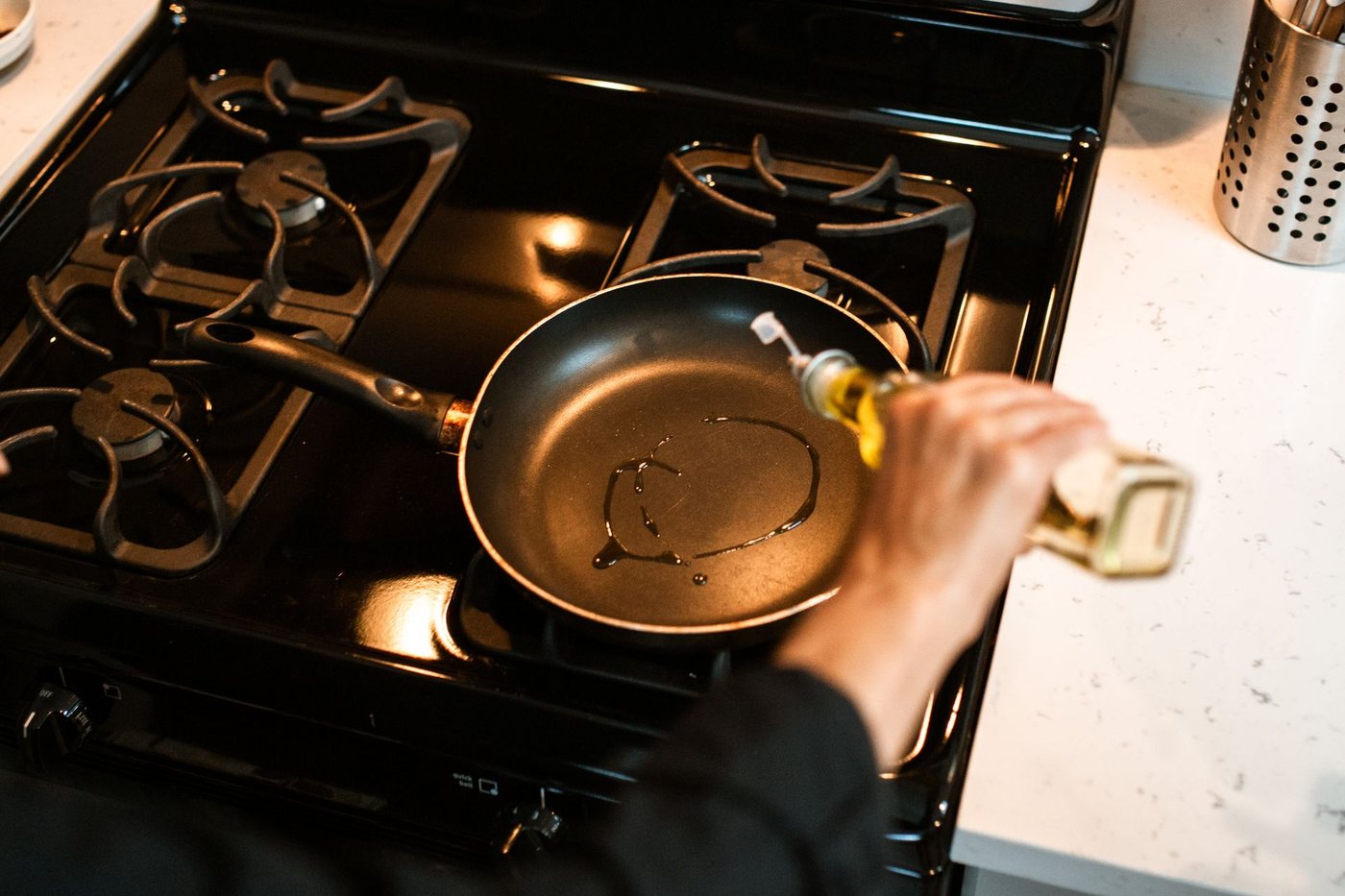
- Frying oils and fats — the single biggest use, including the oil used to fry instant noodles, chips and snack foods. In the EU it is authorised in fats and oils for professional manufacture of heat-treated foods (category 2.1).
- Cereal-based snacks, pre-cooked cereals and cake mixes — EU categories 15.1, 6.3/6.7 and 7.2, all at the group limit described below.
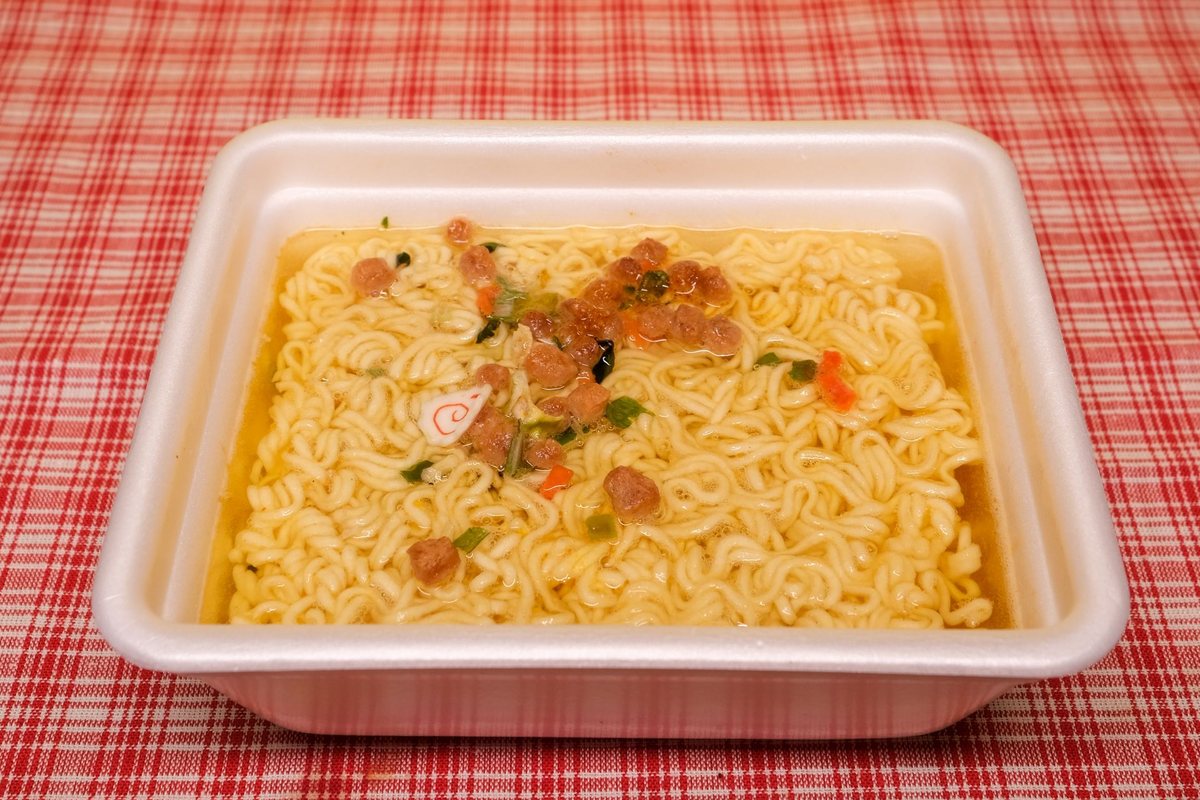
- Instant noodles — there is no noodle-specific permission in the EU list; TBHQ in noodles arrives via the frying oil they are cooked in, or by carry-over from a permitted ingredient. The same is true in practice in the US, where the limit is set on the oil, not the noodle.
- Chewing gum and food supplements — the highest EU limits, 400 mg/kg, apply here (categories 5.3 and 17.1/17.2).
- Dehydrated soups, sauces, seasonings and processed potato products — EU categories 12.2.2, 12.5, 12.6 and 4.2.6; the lowest EU limit, 25 mg/kg, is for dehydrated potatoes.
Two places it is not found are worth stating, because they are often misreported the other way. TBHQ is not authorised for infant formula in the EU: Europe's food safety agency noted in 2004 that using it in infant formula could push infant exposure above the daily limit. And it is not permitted in certified organic food — under US organic standards, synthetic substances are prohibited in certified organic foods, so an organic product will not list it.
The European Commission, answering a parliamentary question in 2022, also noted that TBHQ "is authorised neither for fish fillets and cutlets nor fizzy drinks" — a useful correction to the claim that it is "in everything". It is in a defined set of fatty, shelf-stable foods, and nowhere else by permission.
Related: BHA & BHT — the two antioxidants TBHQ is most often used with, and the pair whose cancer classifications are genuinely different from TBHQ's.
The concern: cancer — and the dose question
The cancer question is the oldest one about TBHQ, and it has the clearest answer in this guide — because the definitive study was run, and it came back negative.
The two-year bioassay. The US National Toxicology Program ran the full test: Technical Report 459 (1997) fed TBHQ to rats and mice for about two years at 1,250, 2,500 and 5,000 parts per million in the diet — roughly 50–240 mg per kilo of body weight a day for rats and 150–700 mg per kilo a day for mice. The conclusion, verbatim, was that "there was no evidence of carcinogenic activity of t-butylhydroquinone in male or female F344/N rats" and the same for mice. Those top doses are roughly 300 times (rats) to 1,000 times (mice) the daily limit of 0.7 mg per kilo. Mammary-gland tumours were actually decreased in the exposed rats, and a later study in rats whose tumours had been chemically initiated found TBHQ reduced mammary tumour development at 0.8% of the diet.
The forestomach story — what it actually was. If you have read that TBHQ "causes forestomach tumours", the claim comes from short-term studies, not from the two-year bioassay. What those studies found was forestomach hyperplasia — a non-cancerous thickening of the lining — at very high doses: 1–2% of the diet, roughly 800–4,500 mg per kilo a day, in rats and mice fed TBHQ for days to weeks. At 0.25% of the diet there were no changes at all, and hamsters fed 0.5% for 20 weeks developed no forestomach lesions. The international food-additives committee (JECFA) reviewed all of it in 1998 and concluded that "TBHQ was not carcinogenic in rats or mice". As the BHA & BHT explainer in this guide explains, humans have no forestomach, and the cancer agency later judged the forestomach mechanism not relevant to humans — which is why BHA keeps its Group 2B classification while TBHQ has none.
Genotoxicity — mixed in the dish, negative in the animal. The DNA-damage evidence splits by test type. TBHQ was not mutagenic in the Ames test (four Salmonella strains, with or without liver enzymes), and it did not increase micronucleated red blood cells in the bone marrow of mice — the in vivo test that matters most. It did cause sister chromatid exchanges and chromosomal aberrations in cultured hamster ovary cells, and a single very high dose (400 mg/kg, about 570 times the daily limit) caused comet-assay DNA damage in mouse stomach, liver and kidney cells. JECFA's synthesis was that TBHQ is clastogenic in vitro, that the DNA damage is secondary to the production of reactive oxygen species, and that it is "unlikely to be genotoxic in vivo under conditions of use as an antioxidant". Europe's food safety agency reached the same place in 2004, concluding TBHQ is not carcinogenic — a conclusion the European Commission restated in 2022 when it said it had "no grounds to ban or restrict its use".
Fair framing: the cancer file on TBHQ is not empty — there are real high-dose findings in animals — but every regulator that has reviewed the full file has reached the same conclusion: no carcinogenic activity at dietary doses, and no genotoxic risk at the amounts used in food. That is a different outcome from BHA, which is classified as possibly carcinogenic on the basis of the same kind of forestomach tumours, and it is the single most important distinction between the two chemicals.
The concern: the immune system
If the cancer question is settled, the immune question is not — and it is the reason TBHQ is on anyone's list in 2026. The evidence comes almost entirely from one research group, in mice, and the dose is the whole argument.
The mechanism first: Nrf2, a double-edged switch. TBHQ is a textbook activator of Nrf2, a transcription factor that switches on the cell's antioxidant defences (enzymes such as HO-1 and NQO1). In the laboratory it is used as a standard Nrf2 activator, and that activation is protective in models: it reduced oxidative-stress death in human neural stem cells, and it protected rats against lead neurotoxicity. But the same Nrf2 activation skews the immune system — it pushes CD4 T cells from a Th1 (infection-fighting) profile toward a Th2 (allergy-driving) profile, and it suppresses the effector function of T cells and natural killer cells. The same switch that protects cells from oxidative damage also, in principle, weakens the response to infection and strengthens the allergic response. Whether that matters at dietary doses is the open question.
The flu study — and its publication status. The study that put TBHQ on the immune map was presented in 2019 by researchers at Michigan State University: mice fed a diet containing 0.0014% TBHQ and infected with influenza had fewer CD8 T cells in their lungs with reduced effector function, slower activation of both CD4 and CD8 T cells, slower viral clearance, and weaker memory responses on re-infection. The lead author described the dose as "comparable to human consumption", and press coverage repeated that framing. What is often left out is the study's status: it was presented as a conference abstract and written up in a 2020 PhD thesis — it has apparently never been published as a peer-reviewed journal article. Secondary sources, including the advocacy group EWG, cite it as if it were a published study. This article describes it accurately, and leans instead on the peer-reviewed follow-ups from the same laboratory.
The dose, honestly stated. The 0.0014% diet is the standard concentration of TBHQ used to preserve laboratory animal feed — it is, in that sense, "the concentration that is normally included in the diet to prevent rancidification". A derived estimate (a calculation from the diet concentration and typical mouse food intake, not a figure published by the researchers) puts a mouse's intake at roughly 2.2 mg per kilo a day — about three times the daily limit of 0.7 mg per kilo. So the "human-relevant dose" claim is approximately true in order of magnitude, but it sits above the limit, not at it. And real human intake is poorly characterised: EWG itself says biomonitoring studies are needed to establish whether typical intake exceeds the daily limit.
The allergy study — the strongest signal. The most important follow-up is Jin et al. 2025 (Frontiers in Immunology), a peer-reviewed mouse study. Mice fed the same 0.0014% TBHQ diet and sensitised to ovalbumin (egg protein) showed strongly increased IgE sensitisation, worse anaphylaxis on challenge, and more mast-cell degranulation — and the effect depended on Nrf2 in CD4 T cells. Two details matter. First, there was a real threshold: mice fed 0.0007% or 0.00028% TBHQ showed only non-significant trends — the effect appeared only at the top dose. Second, BHT did not reproduce the effect at the same concentration, so this is not a generic antioxidant phenomenon. The authors themselves stressed that "a mouse is not the same as a human" and that human studies are needed, and that there is no evidence TBHQ directly causes food allergies — only that it may intensify existing responses.
What the human evidence actually shows: almost nothing. There is no human epidemiological study of TBHQ and cancer, immune outcomes, allergy or vaccine response. The human data that exist are: human CD4 T cells exposed to TBHQ in a dish, where it reduced IL-2 and interferon-gamma production (Turley et al. 2015 — ex vivo, not in people, and the authors said further studies would be needed); two small crossover trials in 66 metabolic-syndrome patients comparing oils with and without TBHQ, which found no significant differences in oxidative-stress markers or liver and kidney function over 8-week periods; and one small observational study (122 people) that found a mixture-level association between urinary phenols — including TBHQ and BHT among others — and cognitive performance, with no TBHQ-specific effect size published and no ability to attribute causation to TBHQ. A 2026 narrative review of the field concluded that the evidence "does not establish clinically meaningful immune impairment at customary dietary exposure" and that the preclinical literature's correspondence to human dietary intake is uncertain.
The studies to discount. Two frequently cited papers used doses so far above dietary exposure that they say nothing about food: one fed mice a diet containing 1.5% TBHQ (about a thousand times the 0.0014% diet used by the Michigan group), and a zebrafish study used a 5% diet — 250 times the legal maximum in fats and oils. Both are real findings at their doses; neither is evidence about eating TBHQ.
Fair summary: the immune signal is real in mice, dose-dependent, thresholded, and Nrf2-mediated — and entirely unconfirmed in humans. The honest position is neither "TBHQ weakens your immune system" nor "the immune question is debunked". It is: one lab's mouse work, at about three times the daily limit, with a threshold, awaiting human testing.
The concern: hormones
The endocrine evidence is the thinnest of the three concerns, and it should be stated as such. A 2018 study of four synthetic phenolic antioxidants (Yang et al., Environmental Science & Technology) found that they had negligible oestrogen-receptor binding, but that they increased oestradiol secretion in H295R adrenocortical cells in a dish — with the effect strongest for BHA, not TBHQ, and with TBHQ-specific effective concentrations not published in the abstract. The study's animal experiment — the only in vivo endocrine work in it — used BHA in zebrafish, not TBHQ, and found disturbed oestradiol and testosterone in the gonads. No regulatory conclusion on TBHQ as an endocrine disruptor was found in this research, and Europe's 2004 opinion did not classify it as one.
The defensible line is: limited in vitro evidence of steroid-hormone perturbation, no in vivo TBHQ data, no regulatory classification. Calling TBHQ an "endocrine disruptor" on current evidence would overstate the case; calling it "no endocrine concern" would ignore the one study that exists. The hormone question is, for now, a footnote to the immune question — worth one paragraph, not a headline.
What regulators say
Every major authority permits TBHQ in food — but the rules are narrow, the numbers are specific, and the ingredient is conspicuously absent from the headline bans that are often said to cover it.
United States. TBHQ is a listed food additive under 21 CFR 172.185 (originally 42 FR 14491, 15 March 1977; amended 2015 and 2023). The rule sets the identity (2-(1,1-dimethylethyl)-1,4-benzenediol, CAS 1948-33-0, at least 99.0% pure) and the limit: the total antioxidant content of a food containing the additive "will not exceed 0.02 percent of the oil or fat content of the food, including the essential (volatile) oil content of the food", whether TBHQ is used alone or with BHA and/or BHT. Two corrections to common descriptions: TBHQ is not a GRAS substance — it is regulated by a food-additive regulation with conditions of use, and several secondary sites that call it GRAS are wrong — and no approval year should be quoted for it, because the 1972 date that circulates conflicts with the regulation's own 1977 history line and could not be resolved.
The daily limit. The international food-additives committee (JECFA) allocated an acceptable daily intake of 0–0.7 mg per kilo of body weight per day at its 49th meeting in 1997 (reported in 1998 — the two years both appear in sources, and the meeting year is 1997). The limit comes from a no-effect level of 70 mg per kilo a day in dogs, with a 100-fold safety factor. Europe's food safety agency confirmed the same 0.7 mg per kilo in 2004, and its 2016 refined exposure assessment found that at maximum permitted levels, exposure would exceed the daily limit at the high level for toddlers and children — but that in refined scenarios using actual usage levels, the limit "was not exceeded in any of the population groups". In everyday terms the limit is about 49 mg a day for a 70 kg adult and about 21 mg a day for a 30 kg child (arithmetic from the limit, not a measured intake).
European Union — authorisation and limits. TBHQ is authorised as E319 under Regulation (EC) No 1333/2008, Annex II. The category table below is a summary from a secondary index (Food Additive Index, citing Annex II as amended by Regulation (EU) 2018/1481) — the EUR-Lex consolidated text was identified but its full text could not be read line by line for this article, so the figures are presented as the index reports them, not as a direct reading of the law. The pattern is the point: the limits are a group cap for propyl gallate, TBHQ and BHA together (E310–320, individually or in combination), and most categories sit at 200 mg/kg, with several expressed per kilo of fat rather than per kilo of food.
| EU category | Maximum level | Qualifier |
|---|---|---|
| Fats and oils (2.1) | 200 mg/kg | Only fats/oils for professional manufacture of heat-treated foods; on fat basis |
| Cereal-based snacks (15.1) | 200 mg/kg | Only cereal-based snack foods |
| Pre-cooked cereals (6.3, 6.7) | 200 mg/kg | Only pre-cooked cereals; on fat basis |
| Dehydrated soups and broths (12.5), sauces (12.6) | 200 mg/kg | On fat basis |
| Chewing gum (5.3); food supplements, solid (17.1) | 400 mg/kg | Highest levels in the list |
| Processed potato products (4.2.6) | 25 mg/kg | Only dehydrated potatoes — the lowest level |
In total the index lists 18 authorised categories. There is no noodle-specific category: TBHQ in noodles in the EU arises via the frying oil or by carry-over, not via a noodle permission. And "banned in Europe" is simply false — TBHQ is authorised, with a daily limit confirmed twice.
Australia and New Zealand. Under the Food Standards Code (Standard 1.3.1 and Schedule 15), TBHQ is permitted at 200 mg/kg in only two categories — food-additive preparations and edible oils and oil emulsions — according to the same secondary index summarising Schedule 15. There is no snack, noodle, cereal or bakery permission listed. How TBHQ lawfully appears in a finished snack or noodle sold in Australia — whether by carry-over from a permitted oil — is a legal question that was not verified for this article, so it is stated here as an open point, not as a claim either way.
US state law — no enacted ban names TBHQ. This is the regulatory fact most often got wrong. California's AB 418 (signed October 2023, effective 1 January 2027) bans exactly four substances — brominated vegetable oil, potassium bromate, propylparaben and Red 3 — and TBHQ is not among them. West Virginia's HB 2354 (enacted March 2025) bans BHA, propylparaben and seven dyes from 1 January 2028, with a school-meals dye ban from August 2025 — and TBHQ is not among them either; a federal court granted a preliminary injunction on 23 December 2025 blocking enforcement of the statewide ban (the school-meals part was not enjoined). Texas's SB 25 requires a warning label on foods containing any of 44 specified items — TBHQ is not one of the 44 — and the warning requirement itself was enjoined in February 2026. Illinois's SB 0093, which would have banned the same four substances as California, died in committee. No enacted US state ban on TBHQ in general food sales exists.
The proposals that do name TBHQ. Three are live, and all are proposals. West Virginia's SB 745 (2026) would deem TBHQ and 20 other additives unsafe in school meals from 1 August 2027; it passed the Senate in February 2026 and was then tabled in the House Education Committee on 6 March 2026 — it is not law. In Congress, H.R. 10913 (introduced 26 October 2026) would classify food containing BHA, BHT or TBHQ as adulterated, with two years to reformulate; and H.R. 4306 (reintroduced July 2025) would require the FDA to reassess at least ten food substances every three years, starting with TBHQ. Both are introduced bills, not law. Finally, TBHQ is not on the FDA's post-market review list (table as of 12 May 2026) — while BHA and BHT are both listed, with assessments beginning in August 2025.
Cosmetics. TBHQ is also used as an antioxidant in cosmetics. No TBHQ-specific restriction was found in the EU cosmetics regulation (Regulation (EC) No 1223/2009), and no scientific-committee opinion on TBHQ was found; the US Cosmetic Ingredient Review panel considers it "safe for use in cosmetics, subject to concentration or use limitations" — but no specific percentage was verified, so none is quoted here. Do not confuse it with hydroquinone, which has its own separate limits.
The debate
The case that TBHQ is a reasonable tool
TBHQ is a lawful, reviewed additive with a daily limit set 100-fold below the animal no-effect level. The definitive two-year bioassay found no evidence of carcinogenic activity at doses up to a thousand times the limit, and JECFA, EFSA and the FDA all agree. The immune work is one laboratory's mouse studies, at a dose above the daily limit, with a threshold below which the effect disappeared — and no human study has found an immune effect at dietary exposure. The extreme-dose studies (1.5% and 5% diets) say nothing about food. And the alternative for most users is rancid fat or a shorter shelf life, not a proven-safer antioxidant.
The case that the concerns are real
The immune signal is not a single fluke: it is a coherent mechanism (Nrf2 activation skewing T cells toward allergy), reproduced across flu, natural-killer-cell and allergy models, and the 2025 allergy study is peer-reviewed with a real dose-response. The 0.0014% diet is the concentration the food system itself uses to preserve animal feed — it is not an absurd overdose. There are no human studies, which is absence of evidence, not evidence of absence, and regulators' own refined assessment found high-level exposure would exceed the limit for toddlers and children at maximum permitted levels. Approved everywhere is true; settled is not.
Who should avoid it
TBHQ is not an ingredient most people need to avoid. The people who should think about it are specific — and the reasons are narrower than the headlines suggest.
- Parents of young children. Children sit closest to the daily limit, and Europe's own refined assessment found that at maximum permitted levels, high-level exposure would exceed the limit for toddlers and children (though not in the refined, actual-use scenarios). A child who eats a lot of fried and packaged food is the person most likely to approach the limit — the practical move is less of those foods overall, not a different antioxidant.
- People with food allergies who want to avoid an open question. The 2025 mouse study found TBHQ intensified allergic sensitisation and anaphylaxis — in mice, at about three times the daily limit, with a threshold below which the effect vanished. There is no human evidence either way. Anyone who wants to avoid that open question entirely can skip TBHQ-containing foods; anyone who does not can reasonably note that the finding has never been tested in people.
- People who eat a lot of fried and packaged food. TBHQ exposure concentrates in exactly those foods — frying oil, snacks, instant noodles, cereals. Cutting back on them reduces TBHQ exposure along with salt, sugar and saturated fat, which are the better-established reasons to eat less of them.
- People who buy organic. TBHQ is not permitted in certified organic food, so an organic diet avoids it by definition — though that is a consequence of the organic rules, not a safety verdict.
For everyone else, the numbers are worth stating plainly: at the doses in a normal diet, TBHQ is a lawful, reviewed additive with a daily limit that typical intakes sit below, and the one study that worries people used a dose above that limit in mice. Use the limit as the guide, not the headline.
How to spot it on a label
TBHQ is one of the easier ingredients to spot — but the names vary, and the amount is never declared.
- The names. "TBHQ", "tert-butylhydroquinone", "tertiary butylhydroquinone", or "E319" in Europe. In Australia it appears as "antioxidant (319)". In the US it is declared by name in the ingredients list.
- Where to look. In the ingredients list of frying oils, snack foods, cereals, instant noodles, chewing gum and food supplements — and in cosmetics under the INCI name "tert-butylhydroquinone".
- What the label will not tell you. It will not tell you how much is in the product — the daily limit is a regulatory number, not a declared one — and it will not tell you whether the product was fried in TBHQ-containing oil, only whether TBHQ is an ingredient of the food as sold.
- The hidden route. Because TBHQ is a major metabolite of BHA, a product containing BHA also produces TBHQ inside the body after eating. That does not make BHA "secretly TBHQ" on the label — they are different ingredients with different limits — but it is one more reason the three antioxidants are assessed as a group.
Alternatives: what replaces it
There is no drop-in "healthy antioxidant" that does TBHQ's job with no open questions — the replacements differ in stability, cost and evidence, not in a proven safety ranking.
- Mixed tocopherols (vitamin E, E306–309). The most common natural replacement in "no TBHQ" products. They are less heat-stable than TBHQ, which is why they are rarer in frying oils, and they cost more — which is why TBHQ still dominates that use.
- Rosemary extract (E392). A plant-derived antioxidant used in snacks and oils, marketed as a "natural" alternative. It is itself a food additive with its own authorised limits, and its flavour can limit how much can be used.
- Ascorbyl palmitate (E304). A fat-soluble form of vitamin C, often used in combination with tocopherols. It is less effective alone in frying oil than TBHQ.
- For the food itself, not the additive: the simplest reduction is eating fewer of the fried and packaged foods that need an antioxidant at all. Whole foods — fresh vegetables, fruit, grains, unprocessed meat and fish — do not need one added, and that is the only swap with no open questions attached.
The trade-off that runs through this whole article is the one the regulators state: TBHQ keeps fatty food edible for months at a fraction of a percent of the fat, within a daily limit that typical intakes sit below, while the harms on file are high-dose animal findings and one lab's mouse immune work above the limit. The sensible response is the general rule — less fried and packaged food overall, and no need to hunt for a "TBHQ-free" version of the same snack.
Frequently asked questions
Is TBHQ banned anywhere?
Not as a general food ban in any major market. It is a listed food additive in the US (21 CFR 172.185), authorised in the EU as E319, and permitted in Australia and New Zealand. No US state has banned it in general food sales: California's AB 418, West Virginia's HB 2354 and Texas's SB 25 do not name it. The TBHQ-specific actions that exist are proposals — a West Virginia school-meals bill that stalled in the House in March 2026, and two federal bills that have only been introduced.
Does TBHQ cause cancer?
On the evidence regulators have reviewed, no — at dietary doses. The US National Toxicology Program's two-year bioassay (Technical Report 459, 1997) found no evidence of carcinogenic activity in rats or mice at doses up to 5,000 ppm, roughly 300–1,000 times the daily limit. The forestomach thickening sometimes cited is non-cancerous hyperplasia seen at 1–2% of the diet, hundreds of times the limit, and the international food-additives committee concluded TBHQ was not carcinogenic in rats or mice. TBHQ has no IARC classification — unlike BHA, which is Group 2B.
Is TBHQ the same as BHA or BHT?
No. They are three different chemicals: TBHQ is a hydroquinone (E319), BHA is a methoxyphenol (E320) and BHT is a methylphenol (E321). They do the same job — stopping fats going rancid — and are often used together under one combined limit. Two links matter: TBHQ is a major metabolite of BHA, so eating BHA also produces TBHQ in the body; and their safety records differ — BHA is classified as possibly carcinogenic, BHT is not classifiable, and TBHQ has no cancer classification.
How much TBHQ is safe per day?
The internationally accepted daily limit is 0–0.7 mg per kilo of body weight per day, set by JECFA in 1997 and confirmed by EFSA in 2004 — about 49 mg a day for a 70 kg adult and about 21 mg a day for a 30 kg child. Regulators' exposure assessments find typical intakes sit below it. Europe's 2016 refined assessment found the limit would be exceeded at the high level for toddlers and children only if every food contained the maximum permitted level; using actual usage levels, it was not exceeded in any population group.
Does TBHQ affect the immune system?
In mice, yes — at about three times the daily limit. A Michigan State group found mice fed a diet with 0.0014% TBHQ had a weaker T-cell response to flu, and a 2025 peer-reviewed study found the same dose increased food-allergy sensitisation and worsened anaphylaxis, through the Nrf2 pathway, with a real threshold below which the effect vanished. In humans there is essentially no evidence: the only human data are cells in a dish and two small trials that found no differences. A 2026 review concluded the evidence does not establish clinically meaningful immune impairment at customary dietary exposure.
Which foods contain TBHQ?
Mainly fatty, shelf-stable foods: frying oils and fats, cereal-based snacks, pre-cooked cereals, instant noodles (via the frying oil), chewing gum, food supplements and dehydrated soups and sauces. It is not authorised for infant formula in the EU and is not permitted in certified organic food. On labels look for TBHQ, tert-butylhydroquinone, tertiary butylhydroquinone, E319, or — in Australia — antioxidant (319).
Checked against FDA 21 CFR 172.185, JECFA 49th meeting (1997) / WHO Food Additives Series 40, EFSA Journal 2016;14:4363, NTP Technical Report 459 (1997) and Jin et al. 2025 (Frontiers in Immunology) · Last updated 2026-11-16 · How we assess ingredients
Sources (30)
- US Food and Drug Administration — 21 CFR 172.185 (TBHQ), eCFR: listed food additive; total antioxidant content not to exceed 0.02% of the oil or fat content of the food; CAS 1948-33-0; purity not less than 99.0%; melting point not less than 126.5 °C; history 42 FR 14491 (15 Mar 1977), amended 2015 and 2023
- Joint FAO/WHO Expert Committee on Food Additives — WHO JECFA database entry for tertiary butylhydroquinone: evaluation year 1997 (49th meeting), ADI 0–0.7 mg/kg bw; previous temporary ADIs 0–0.2 (1990, 1995)
- Joint FAO/WHO Expert Committee on Food Additives — tert-Butylhydroquinone (TBHQ), WHO Food Additives Series 40, monograph 898 (49th meeting, 1997): not carcinogenic in rats or mice; unlikely to be genotoxic in vivo under conditions of use; ADI 0–0.7 mg/kg bw from a NOEL of 70 mg/kg bw/day with a 100-fold safety factor; forestomach hyperplasia only at 1–2% of diet
- European Food Safety Authority — Statement on the refined exposure assessment of tertiary-butyl hydroquinone (E 319), EFSA Journal 2016;14(1):4363: ADI 0.7 mg/kg bw/day established by JECFA and confirmed by EFSA in 2004; at maximum permitted levels the ADI would be exceeded at high level for toddlers and children; in refined exposure scenarios the ADI was not exceeded in any population group
- European Food Safety Authority — Scientific opinion on TBHQ (E 319), EFSA Journal (2004) 84, 1–50, DOI: 10.2903/j.efsa.2004.84: ADI 0.7 mg/kg bw/day confirmed; adult exposure did not exceed the ADI; infant-formula use could exceed it (cited via the EFSA 2016 statement and the European Commission answer E-003133/22; full text not fetched)
- European Commission — Answer to parliamentary question E-003133/22 (8 Nov 2022): EFSA assessed TBHQ in 2004 and concluded it is not carcinogenic and confirmed the ADI of 0.7 mg/kg bw/day; in 2016 EFSA confirmed the ADI was not exceeded in refined exposure scenarios; the Commission has no grounds to ban or restrict its use; TBHQ is authorised neither for fish fillets and cutlets nor fizzy drinks
- European Union — Regulation (EC) No 1333/2008, Annex II (Union list of food additives), consolidated text 31 July 2025: E319 authorised; category figures in this article are a summary from Food Additive Index (secondary, citing Annex II as amended by (EU) 2018/1481) — 18 categories, modal group limit 200 mg/kg for E310–320, highest 400 mg/kg, lowest 25 mg/kg
- Food Standards Australia New Zealand — Food Standards Code, Schedule 15 (Substances that may be used as food additives) and Standard 1.3.1: TBHQ 200 mg/kg in two categories (food-additive preparations; edible oils and oil emulsions), per the Food Additive Index summary of Schedule 15 S15—5; no additive unless expressly permitted
- National Toxicology Program — Toxicology and Carcinogenesis Studies of t-Butylhydroquinone (CAS No. 1948-33-0) in F344/N Rats and B6C3F(1) Mice (Feed Studies), NTP Technical Report 459 (1997): no evidence of carcinogenic activity at up to 5,000 ppm (rats ~50–240 mg/kg/day; mice ~150–700 mg/kg/day); Ames negative; in vivo micronucleus negative; mammary fibroadenomas decreased
- van Esch GJ (1986), Toxicology of tert-butylhydroquinone (TBHQ), Food and Chemical Toxicology 24(10–11):1063–1065: dose level is an important factor in the induction of forestomach tumours (abstract)
- Gharavi N, Haggarty S, El-Kadi AOS (2007), Chemoprotective and carcinogenic effects of tert-butylhydroquinone and its metabolites, Current Drug Metabolism 8:1–7: anti-carcinogenic effects in models alongside chronic-exposure carcinogenicity claims; toxicity attributed to reactive GSH-conjugates, reactive species and CYP1A1 induction
- Freeborn RA et al. (2019), Tert-Butylhydroquinone (tBHQ) Impairs the Immune Response to Influenza Virus Infection, FASEB Journal 33(1 Suppl):505.3 — conference abstract, Experimental Biology 2019; written up in Freeborn RA, PhD thesis, Michigan State University (2020): 0.0014% tBHQ diet, fewer lung CD8 T cells, slower viral clearance, weaker memory responses; NOT a peer-reviewed journal article
- Michigan State University — Food additive may influence how well flu vaccines work (press release, 7 April 2019): mice fed tBHQ 'in an amount comparable to human consumption' showed an altered immune response to influenza; researchers quoted on the need for human studies
- Boss AP, Freeborn RA et al. (2018), The Nrf2 activator tBHQ inhibits the activation of primary murine natural killer cells, Food and Chemical Toxicology 121:231–236: 1–5 µM tBHQ decreased NK-cell interferon-gamma, granzyme B, perforin and CD25/CD69 induction ex vivo
- Turley AE et al. (2015), The Nrf2 activator tBHQ inhibits T cell activation of primary human CD4 T cells, Cytokine: 0.1–5 µM tBHQ decreased IL-2 and interferon-gamma in human PBMCs and isolated CD4 T cells ex vivo; authors' caveat that further studies are needed to elucidate the effect on human immune responses
- Jin Y, Boss AP, Bursley JK, Wilson C, Gangur V, Rockwell CE (2025), The transcription factor Nrf2 links Th2-mediated experimental allergy to food preservatives, Frontiers in Immunology 15:1476480: 0.0014% tBHQ diet strongly increased IgE sensitisation to ovalbumin and exacerbated anaphylaxis in mice, Nrf2-dependent; 0.0007% and 0.00028% not significant; BHT did not reproduce the effect
- Naidenko OV et al. (2021), Investigating molecular mechanisms of immunotoxicity and the utility of ToxCast for immunotoxicity screening of chemicals added to food, International Journal of Environmental Research and Public Health 18(7):3332 — EWG authors (ADVOCACY): ToxCast data-mining study; TBHQ active in Nrf2, aryl hydrocarbon receptor and glucocorticoid receptor assays; 'more studies are needed to assess its effects on the human immune system'
- Yang X et al. (2018), Synthetic phenolic antioxidants cause perturbation in steroidogenesis in vitro and in vivo, Environmental Science & Technology 52(2):850–858: negligible oestrogen-receptor binding for the four antioxidants tested, but increased oestradiol secretion in H295R cells (strongest for BHA); the in vivo experiment used BHA in zebrafish, not TBHQ
- Ousji H, Sleno L (2020), Identification of in vitro metabolites of synthetic phenolic antioxidants BHT, BHA, and TBHQ by LC-HRMS/MS, Molecules 25(24):9525: TBHQ is a major metabolite of BHA resulting from demethylation; BHA is ~90% 3-BHA / 10% 2-BHA
- Li J et al. (2005), Stabilization of Nrf2 by tBHQ confers protection against oxidative stress-induced cell death in human neural stem cells, Toxicological Sciences 83(2):313–328: tBHQ stabilised Nrf2 and attenuated hydrogen-peroxide-induced death in human neural stem cells in vitro
- Food-associated xenobiotics and innate immunity: molecular and cellular effects of imazalil, TBHQ, carrageenans, and monosodium glutamate, International Journal of Molecular Sciences 2026;27(21):9580: available evidence supports context-dependent innate immune modulation but 'does not establish clinically meaningful immune impairment at customary dietary exposure'
- Shen Y et al. (2026), Associations of environmental phenols exposure with cognitive function in middle-aged and older adults: a nested case-control study (SCOPA-China): n=122, mixture-level association between urinary environmental phenols (including TBHQ and BHT) and impaired cognitive performance; TBHQ-specific effect sizes not published in the abstract; observational, cannot attribute causation to TBHQ
- The effects of Pistacia atlantica seed-canola oil blend on serum oxidative stress and lipid biomarkers in adults with metabolic syndrome, Scientific Reports 2026;16:19887; and Comparative effects of Pistacia atlantica seed-canola oil and corn-canola oils with and without TBHQ on liver and kidney function tests in patients with metabolic syndrome: a triple-blind crossover clinical trial, Journal of Diabetes & Metabolic Disorders 2025;24(2):273: 72 patients enrolled, 66 completed; no significant differences in oxidative-stress markers or liver/kidney function between oils with and without TBHQ over 8-week periods
- California Legislative Information — AB 418 (2023–2024), California Food Safety Act, chaptered text: bans brominated vegetable oil, potassium bromate, propylparaben and Red 3 only, effective 1 January 2027; TBHQ not named
- National Agricultural Law Center — Preliminary Injunction Halts Enforcement of West Virginia's Food Dye Ban: HB 2354 (enacted 24 March 2025) bans BHA, propylparaben and seven dyes statewide from 1 January 2028; preliminary injunction granted 23 December 2025 (Judge Irene C. Berger, S.D. W. Va., No. 2:25-cv-00588) blocks statewide-ban enforcement; school-meal portion not enjoined; TBHQ not named
- West Virginia Legislature — Senate Bill 745 (2026), committee substitute reported 24 February 2026: would deem TBHQ and 20 other additives unsafe in school meals from 1 August 2027; Senate passed February 2026; House Education Committee tabled the bill 6 March 2026; not law
- Texas SB 25 (2025) — 44-ingredient warning-label list (CIRS summary) and Covington client alert on the 11 February 2026 preliminary injunction: TBHQ is not among the 44 items on the list; the warning requirement was enjoined for the plaintiff trade associations and their members
- US Food and Drug Administration — List of Select Chemicals in the Food Supply Under FDA Review (table as of 12 May 2026): TBHQ does not appear; BHA (Scientific Assessment, from 19 August 2025) and BHT (Review of Information, from 19 August 2025) are listed
- Mace (Rep. Nancy) — press release: H.R. 10913, Eliminating Dangerous Preservatives Act (introduced 26 October 2026): would ban BHA, BHT and TBHQ from food by classifying such food as adulterated, with two years to reformulate; introduced only
- Environmental Working Group (ADVOCACY) — EWG evaluation of food chemicals: TBHQ: 'an ingredient of concern, and EWG suggests limiting consumption'; TBHQ in 2,730 of the 172,081 foods added to EWG's Food Scores between 2023 and 2025; Food Scores rates TBHQ 'higher concern' (no numeric score shown); Skin Deep score 3 (from the page's score image), Data: Limited, Cancer LOW, Allergies & Immunotoxicity LOW, Developmental and Reproductive Toxicity LOW, Use Restrictions MODERATE